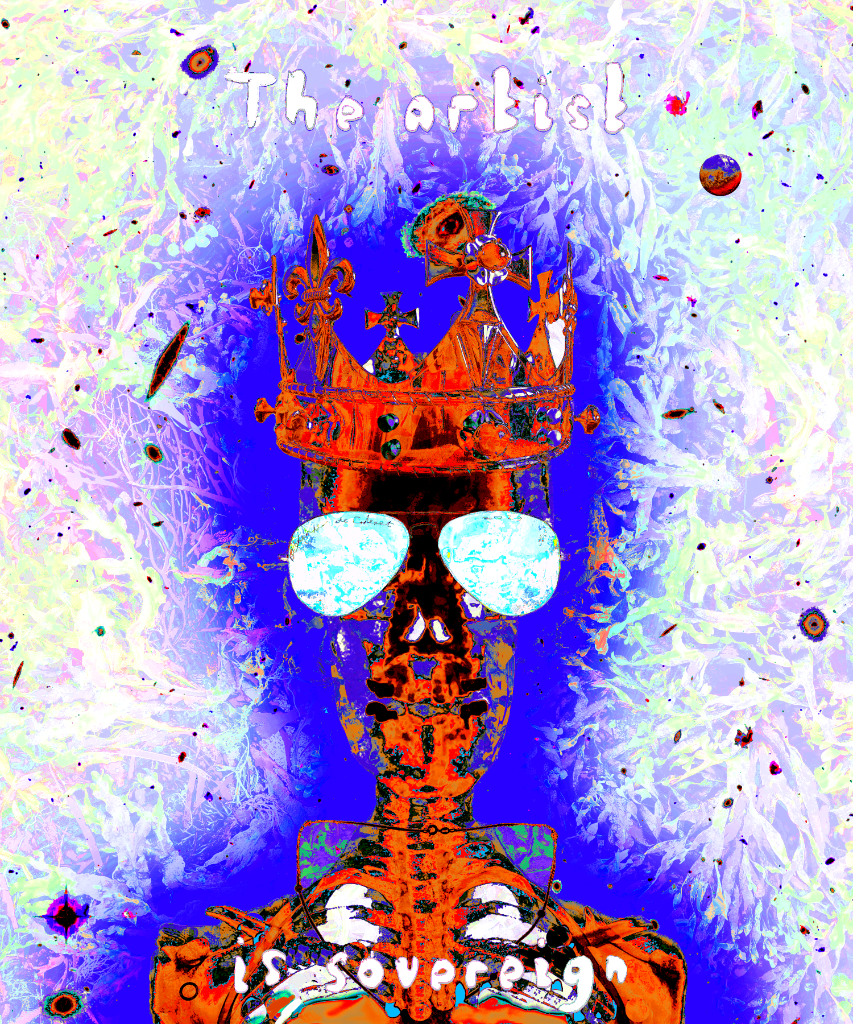
The Skull Portraits:
The Final Gathering
“Death is not the end, and the dead are not without their uses.”
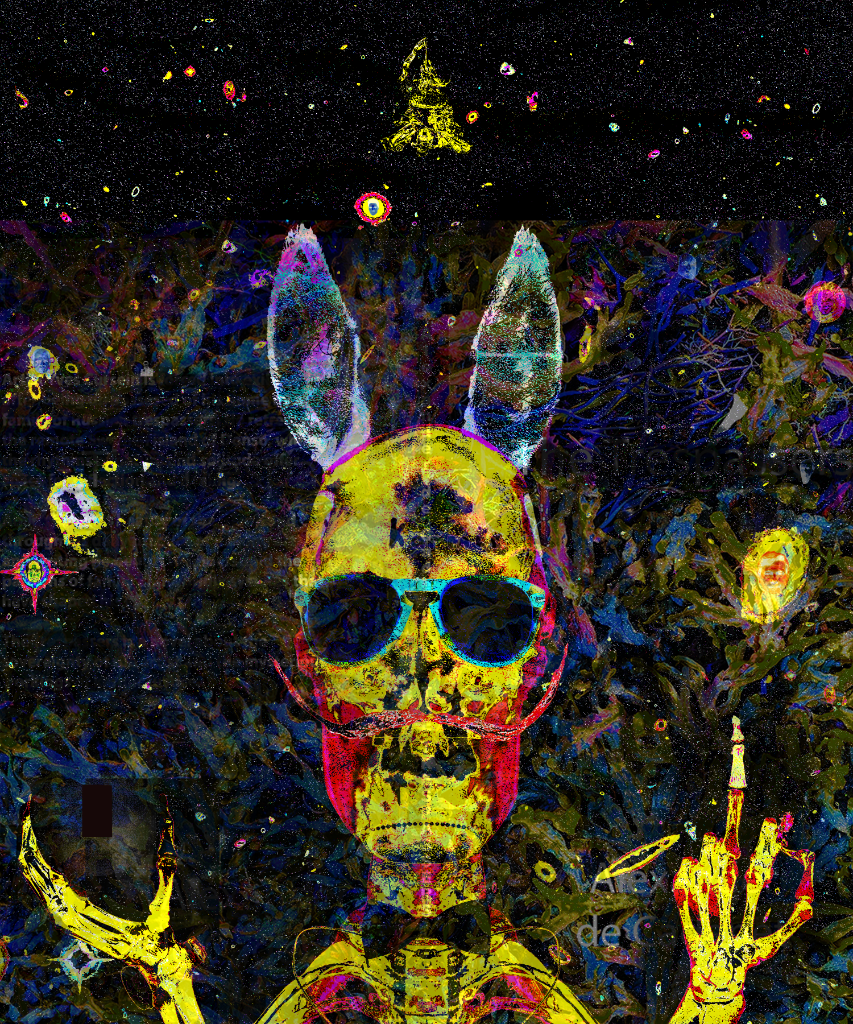
Welcome to THE FINAL GATHERING, the culmination of thirty years of Alexander de Cadenet's Skull Portraits: an extraordinary assembly of personalities drawn from history, contemporary culture and the artist's own encounters. Created from medical images of human skulls, these portraits strip away the familiar features of their subjects, revealing something altogether more mysterious, universal and occasionally ridiculous.
From royalty and revolutionaries to artists, movie stars, visionaries, rogues and billionaires to some of history's most notorious villains, the collection brings together an unlikely cast of characters. Among those represented are Dante, Tutankhamun, Richard III, Cosimo de' Medici, Beethoven, Albert Einstein, Winston Churchill, Marilyn Monroe, Stirling Moss, Patricia Gucci and Oleg Gordievsky — a fantasy dinner party spanning centuries and continents, bringing together an improbable cast of characters whose paths would never otherwise have crossed, yet who have become united through their Skull Portraits and their presence within The Final Gathering.
But here's the catch. Their identities have been transformed into archetypes, and the artist isn't revealing which portrait belongs to whom. Some may be easier to recognise than others, but the pleasure lies as much in the guessing as in the extraordinary company.
From miniature artworks and print-paintings to collectors' cards and unique digital portraits, The Final Gathering invites collectors of both physical and digital art to assemble their own extraordinary cast of archetypical characters — creating ever-evolving combinations and unlikely connections.
Beneath the mystery, humour and spectacle lies a more enduring question. Throughout history, artists have helped preserve the identities of kings, lovers, patrons and ordinary mortals. But perhaps art does more than commemorate the dead. Perhaps it allows identity to continue evolving, acquiring new meanings long after life itself has ended.
After all, who gets remembered — and who gets forgotten?
The Artist
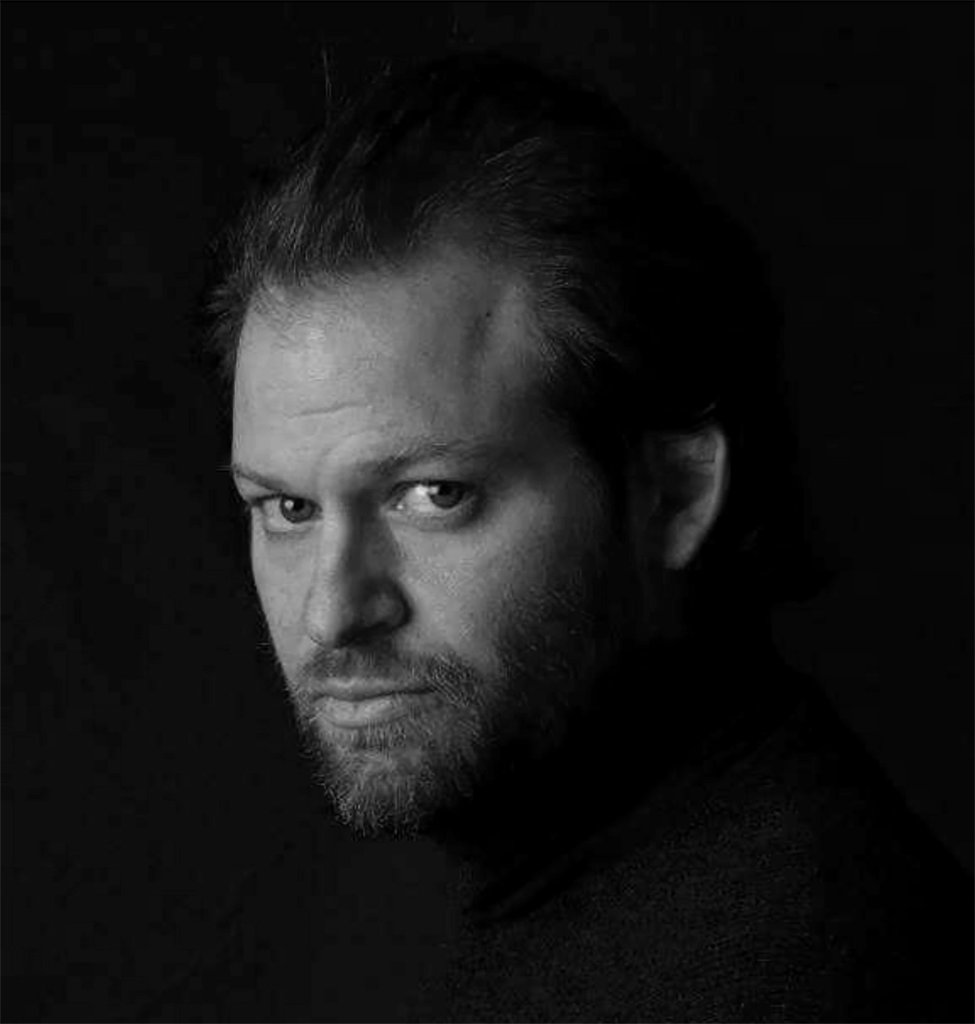
Alexander de Cadenet, (b.1974) is a British visual artist exploring identity, meaning and contemporary culture in painting, sculpture and photography.
His skull portraits pose philosophical questions about how identity and meaning can be construed through art.
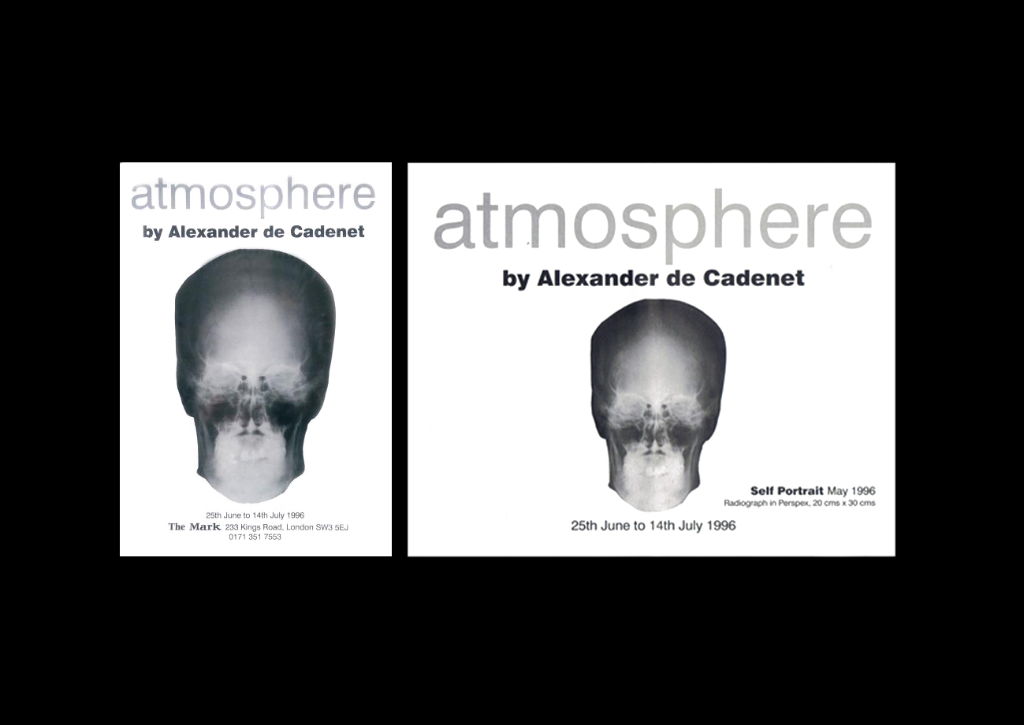
Atmosphere · 1996·Launch of the Skull Portraits concept at The Mark, Kings Road, London
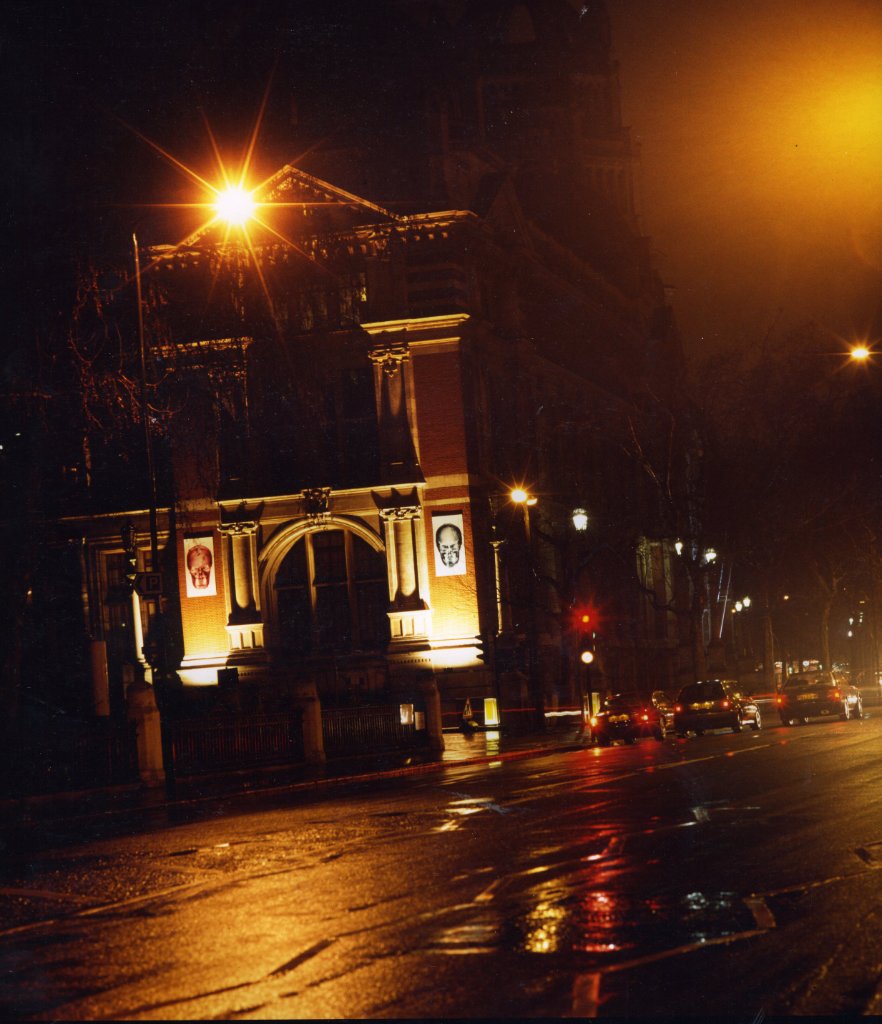
Skullduggery · 1998
Supermodels Skull portraits series show at Victoria and Albert Museum
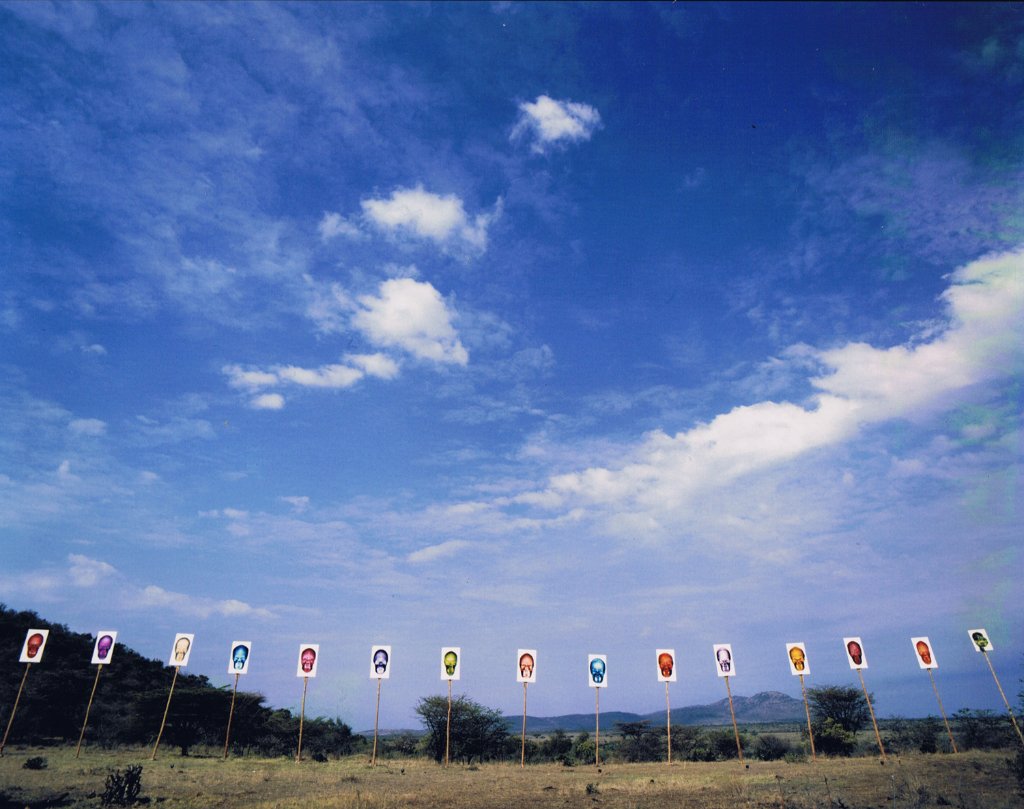
Maasai Golgotha · 1999
Maasai Golgotha installation in Kenya's Maasai Mara
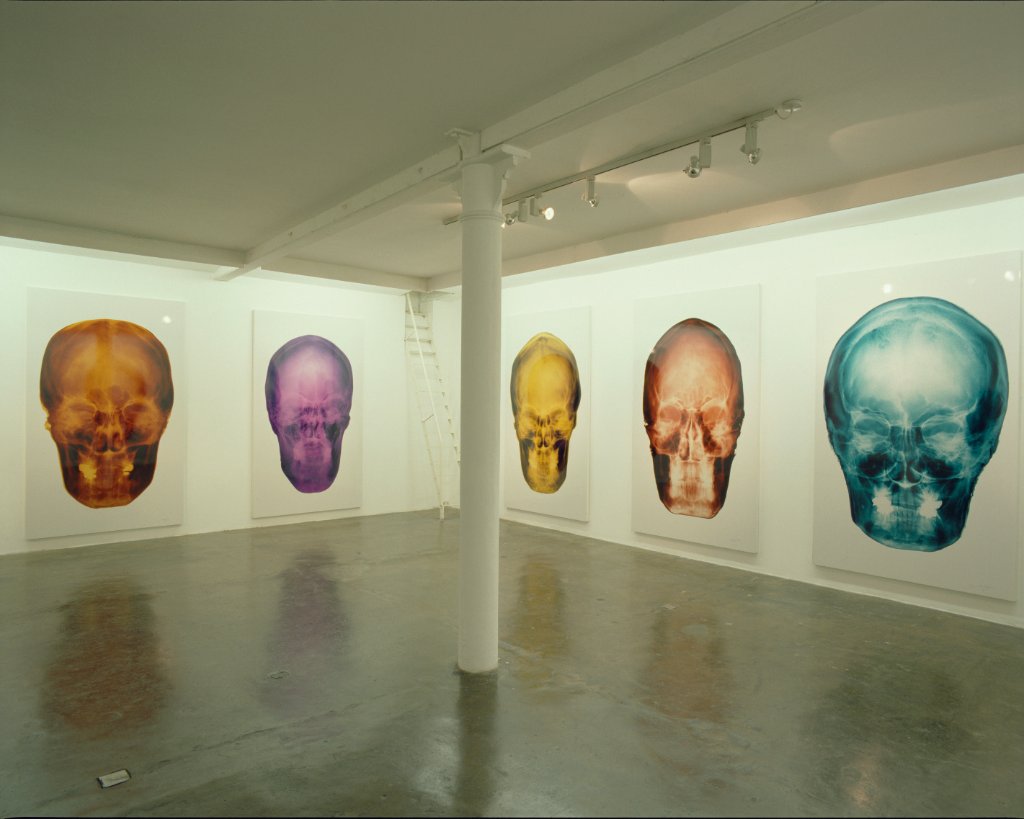
Celebrity Skull Portraits Series · 2000
30 Underwood Street Gallery Installation of Skull Portrait 'Celebrity Series'
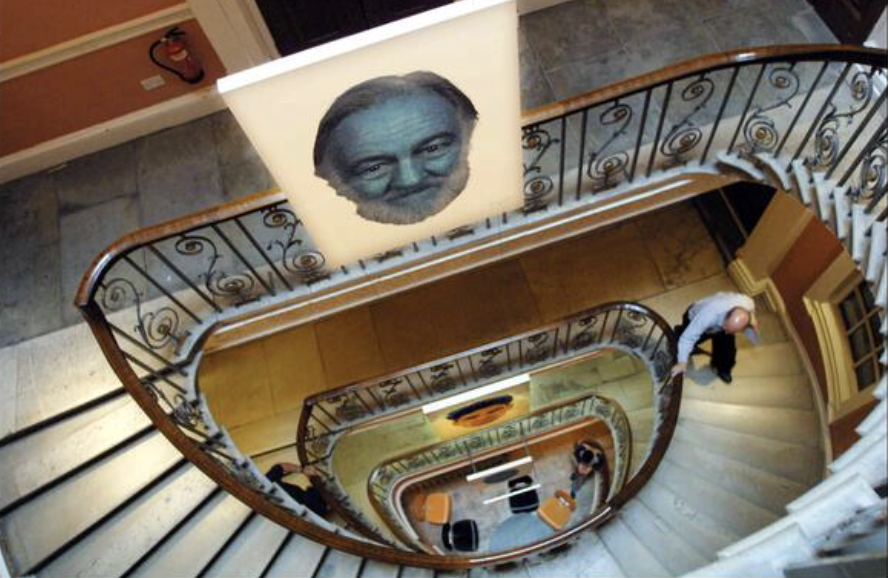
British Spies Series · 2003
Double-sided skull portraits installation at The Courtauld Institute of Art, 2003
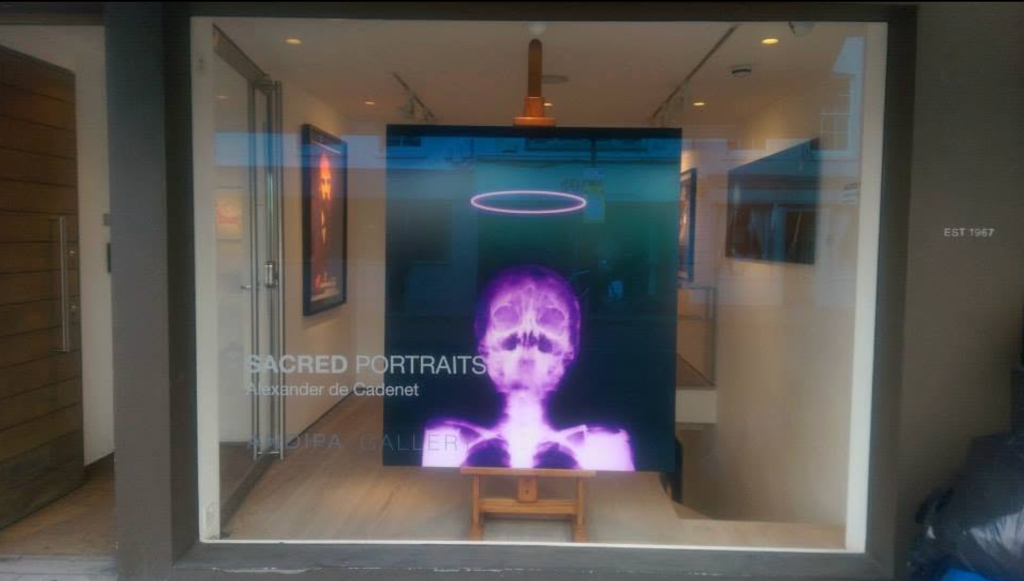
Sacred Portraits Series · 2015·Andipa Gallery
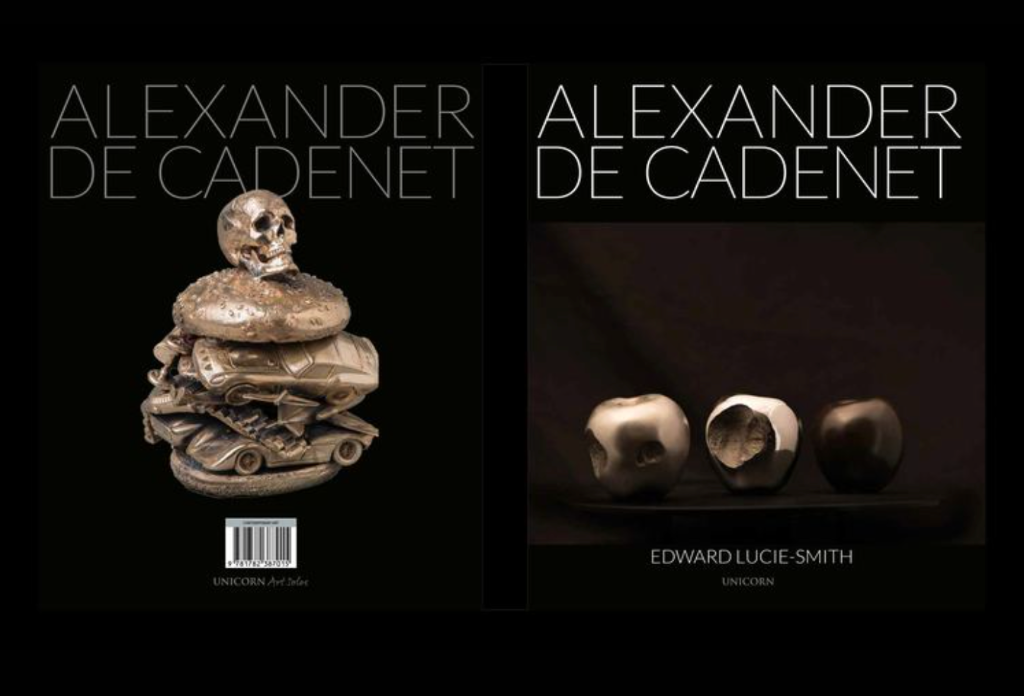
Monograph by Edward Lucie-Smith · 2016
A monograph on the artist's work by Edward Lucie-Smith, published by Unicorn Press
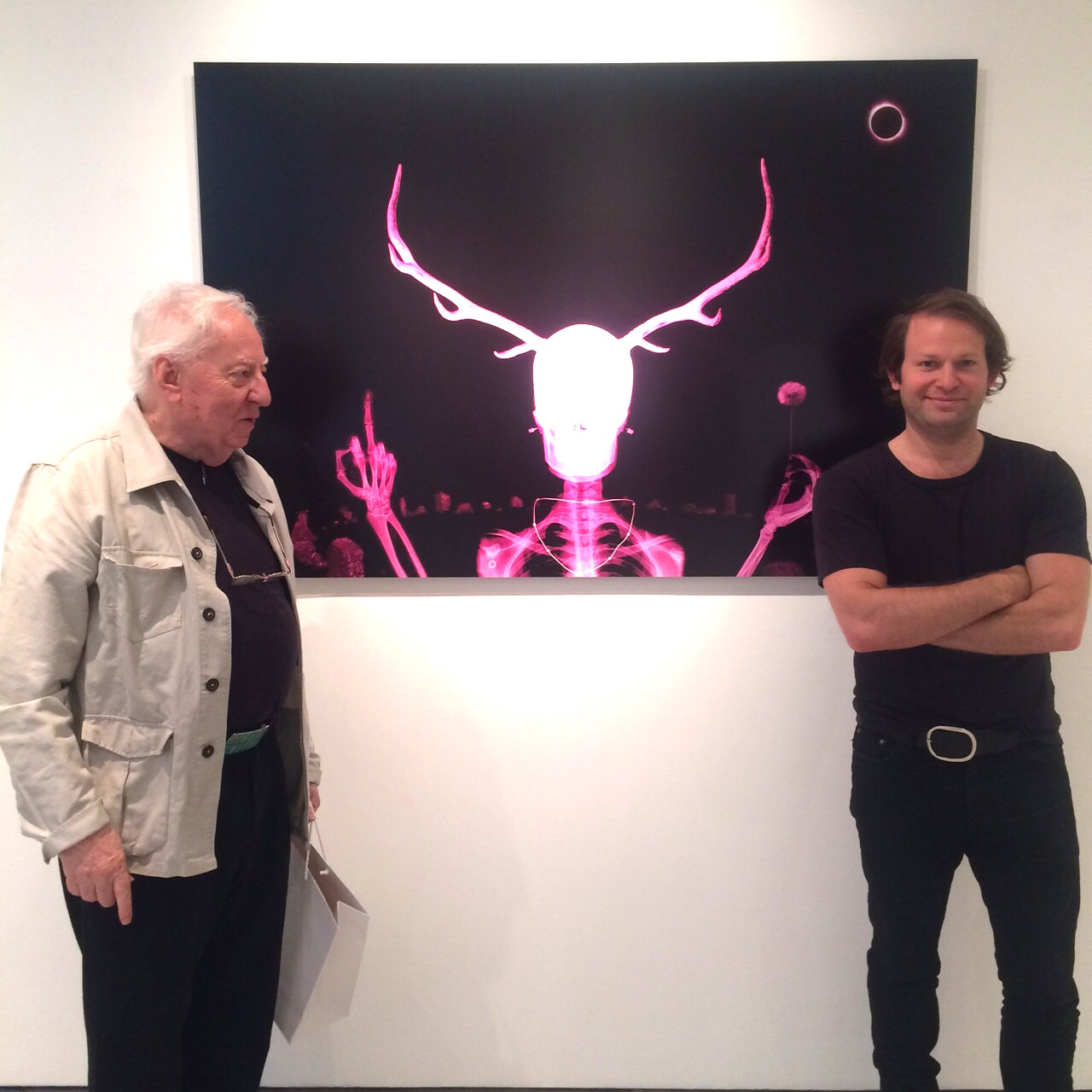
Book Launch at Andipa Gallery · 2016
The artist with art historian Edward Lucie-Smith
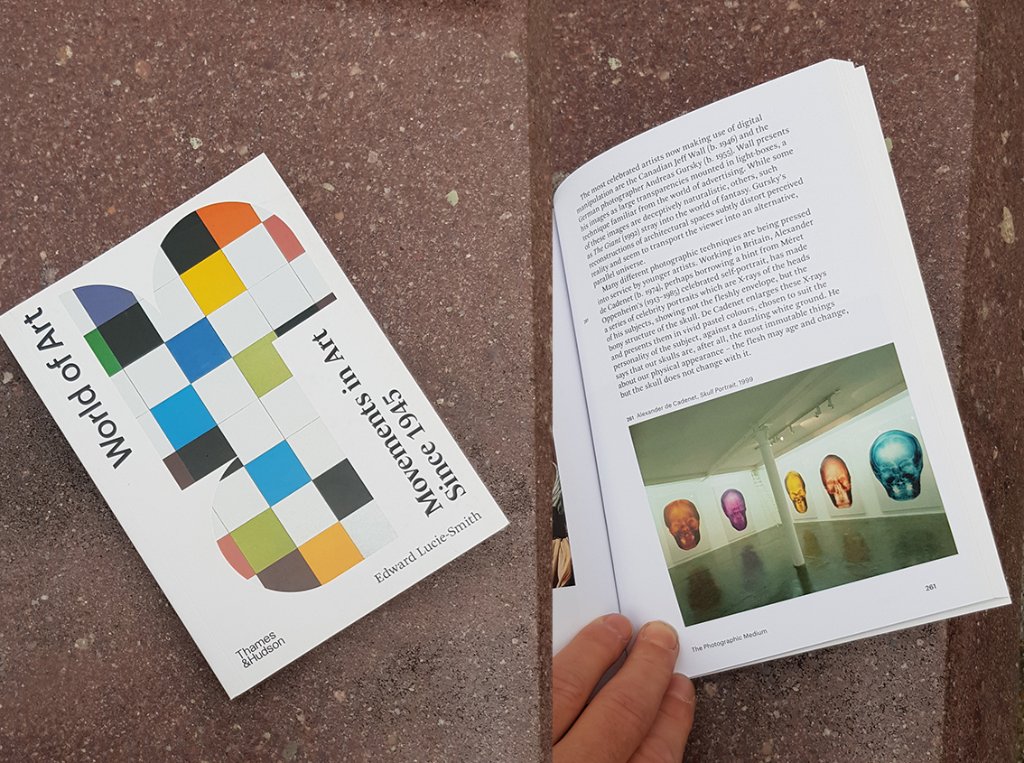
Movements in Art Since 1945 · 2016
Work featured in Edward Lucie-Smith's survey, Thames & Hudson
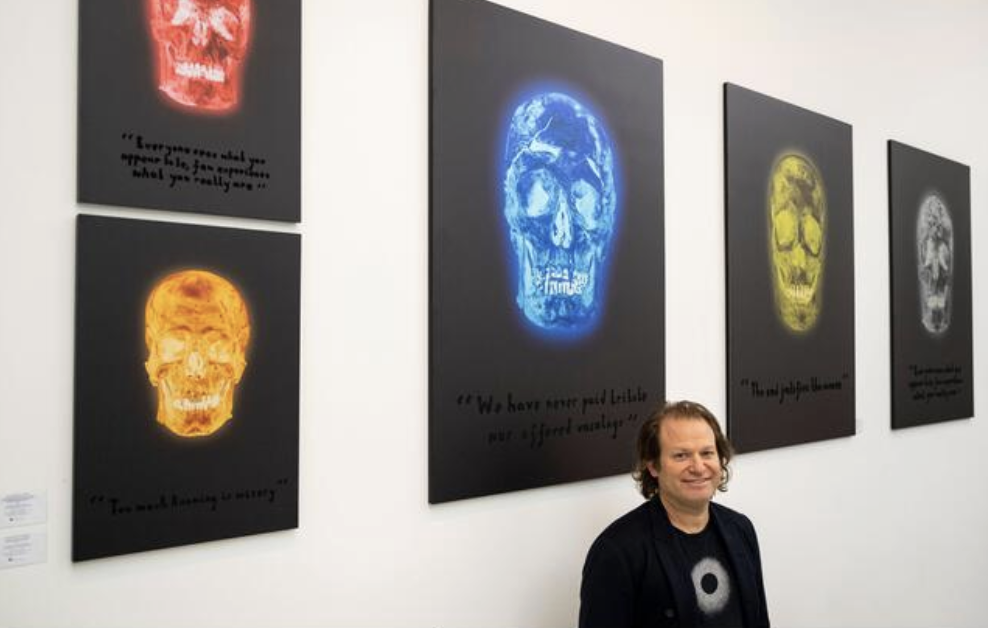
Medici Skull Portraits · 2022
British Art Fair at Saatchi Gallery
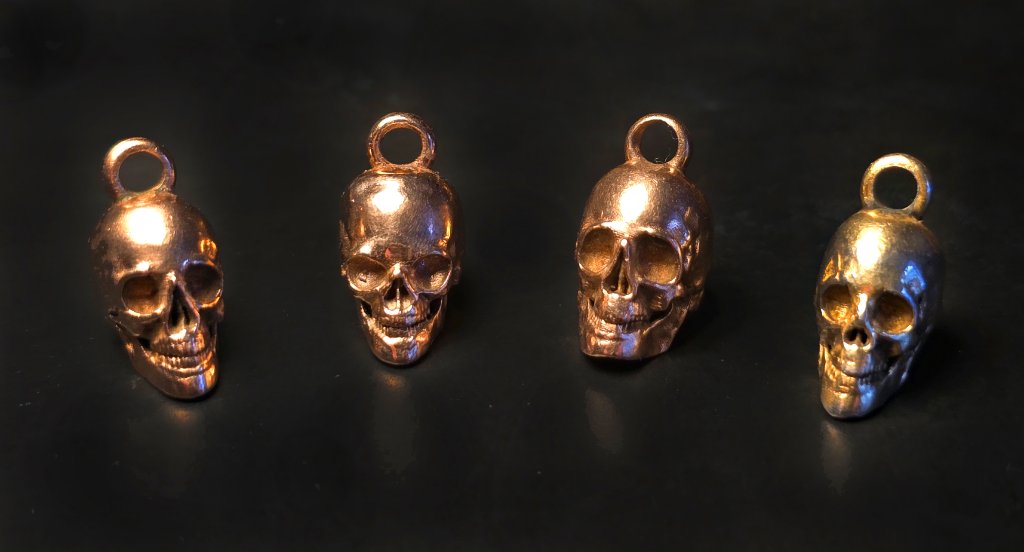
Solid Rose + Yellow Gold Skull Portrait Charms · 2025
Cast in solid gold, these skull portraits extend the series into precious metal sculpture
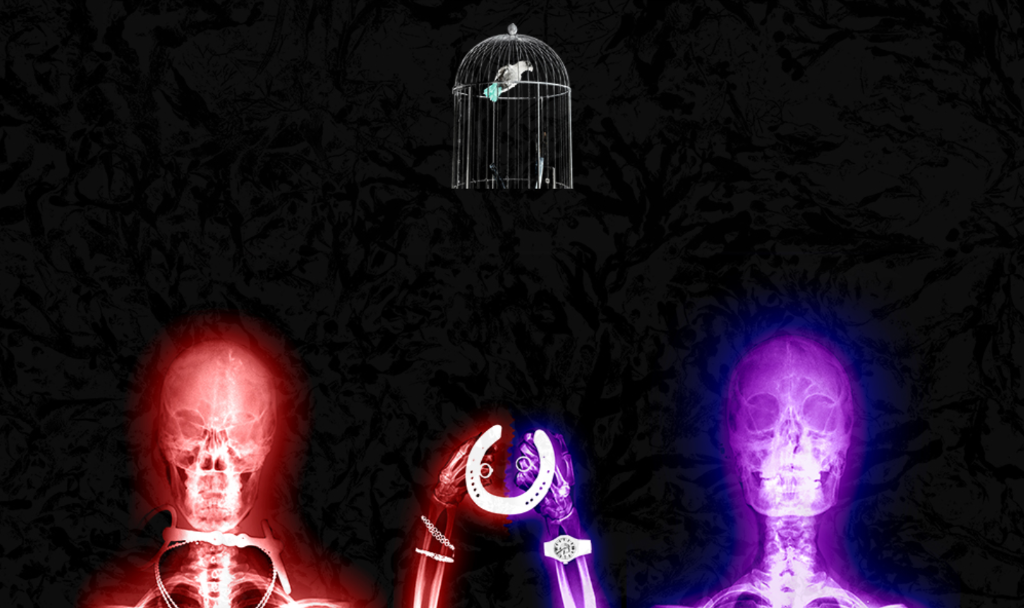
Husband & Wife Portrait Commission · 2025
A commissioned skull portrait of husband and wife with family pet parrot
What the critics say
"These works act as a celebration of existence while simultaneously questioning the value of worldly endeavour."
"De Cadenet's Skull Portraits re-energise the long histories of the painted vanitas… these will persist long after we become crematorium dust."
"The skull portraits tackle both the idea of mortality and also the question of how we construe human identity."
"Like altarpieces, their renderings of physical mortality are allied with a spiritual consciousness, a hint at the immortality of the soul."
"The artist asks us not to consider the cosmic and metaphorical in opposition to the ordinary, but as being part of it, integral to it."