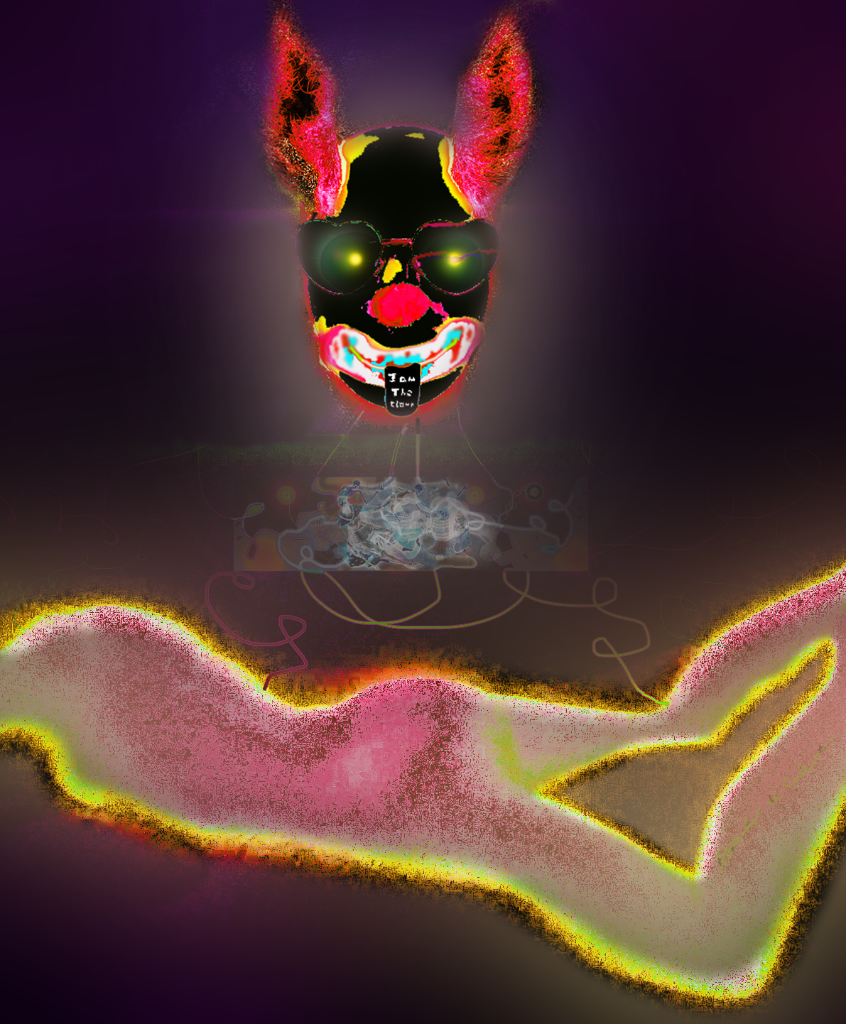
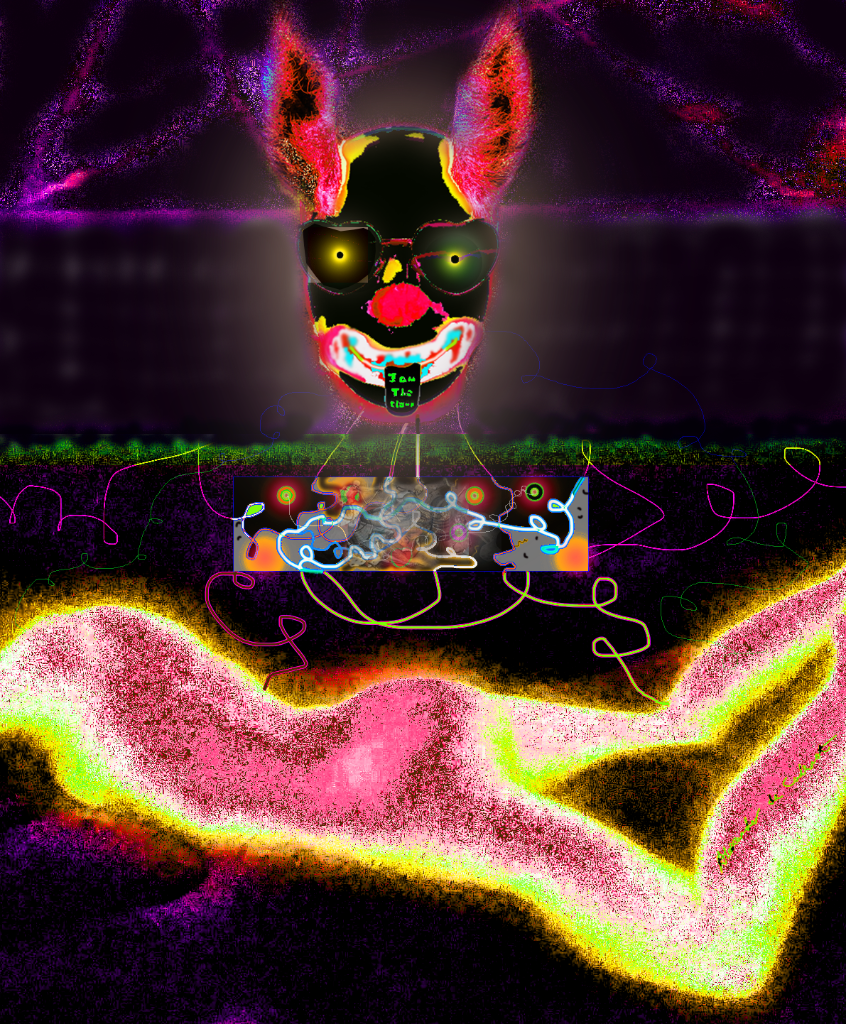
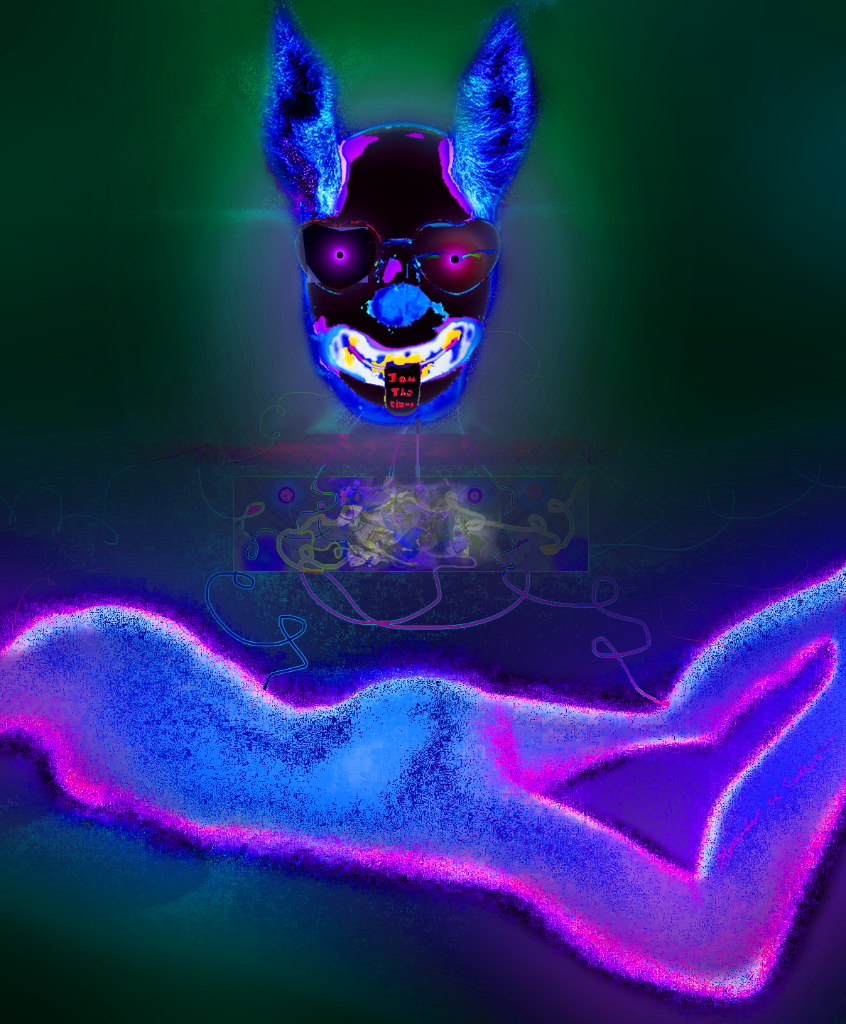
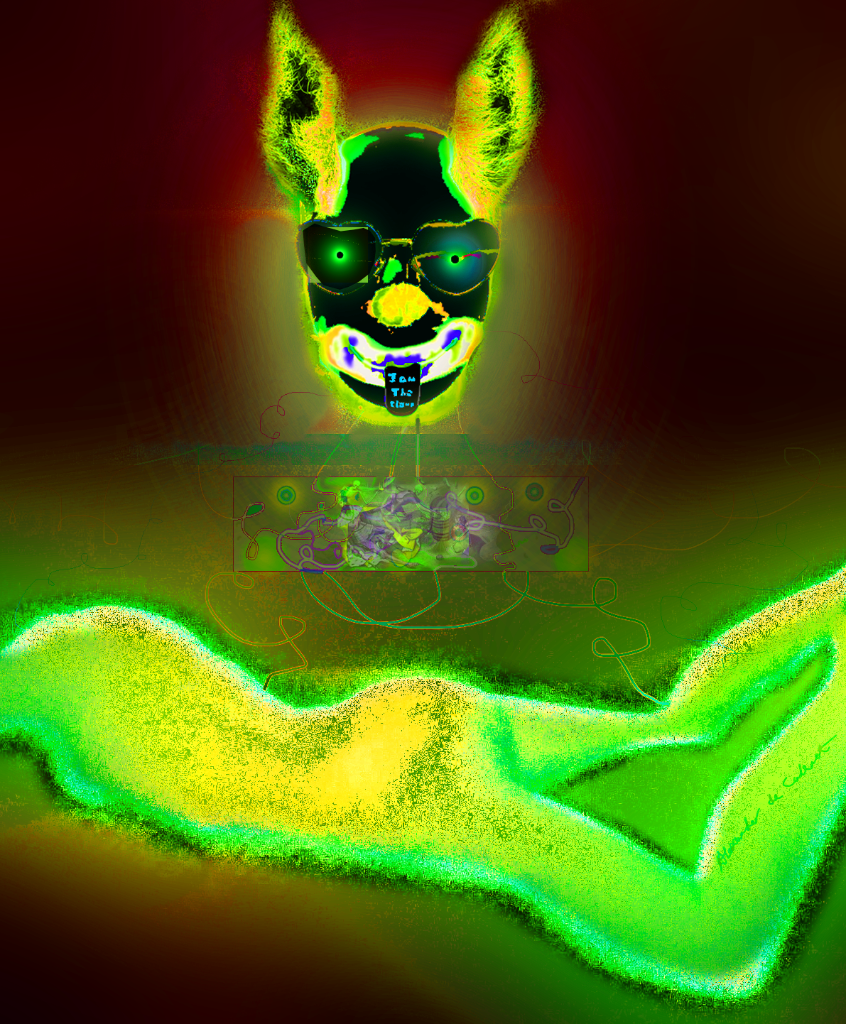
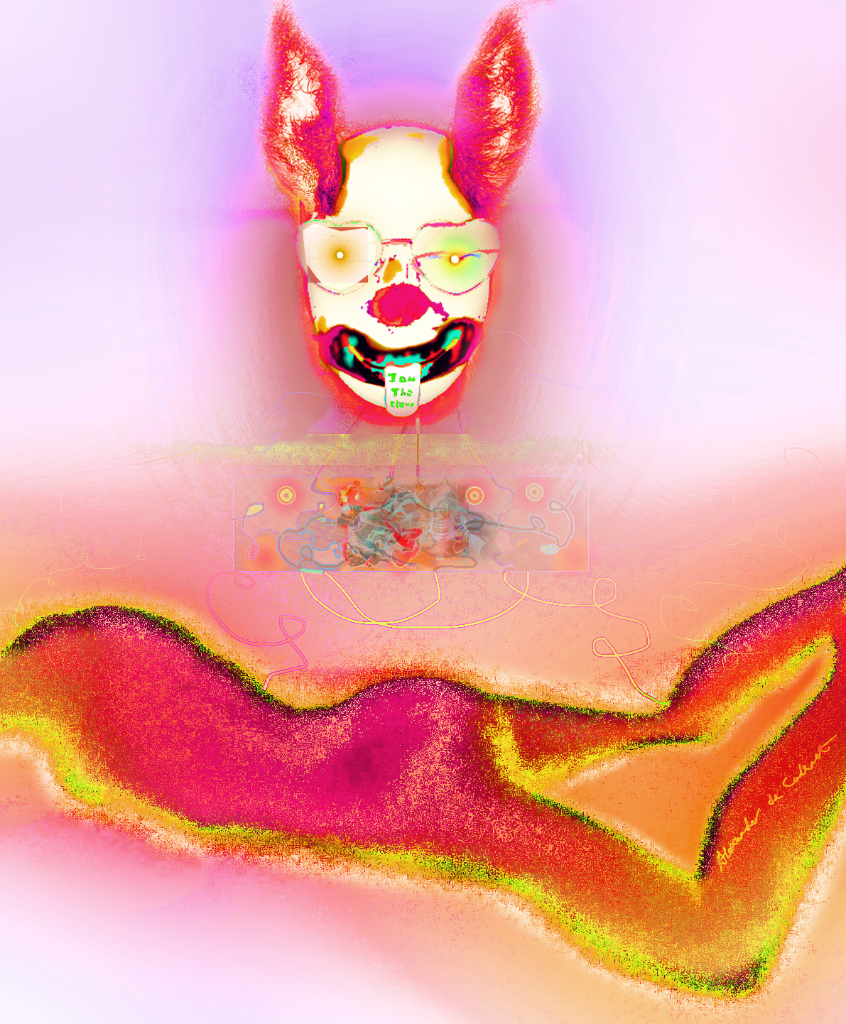
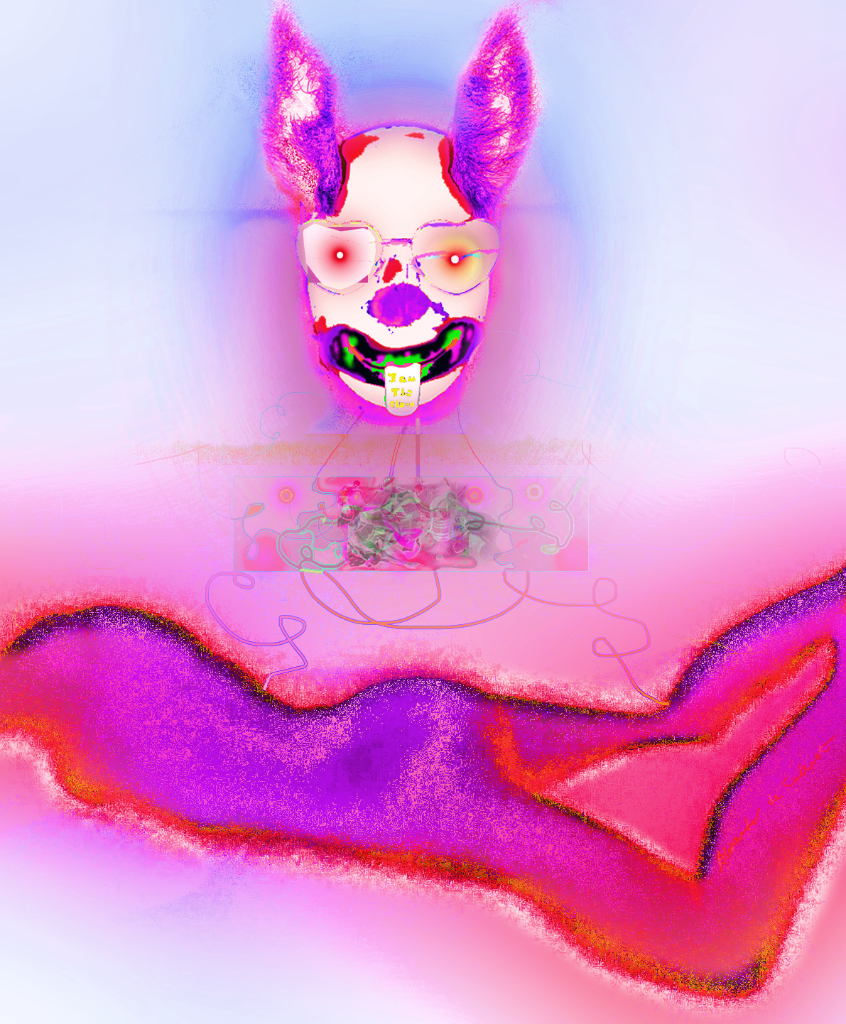
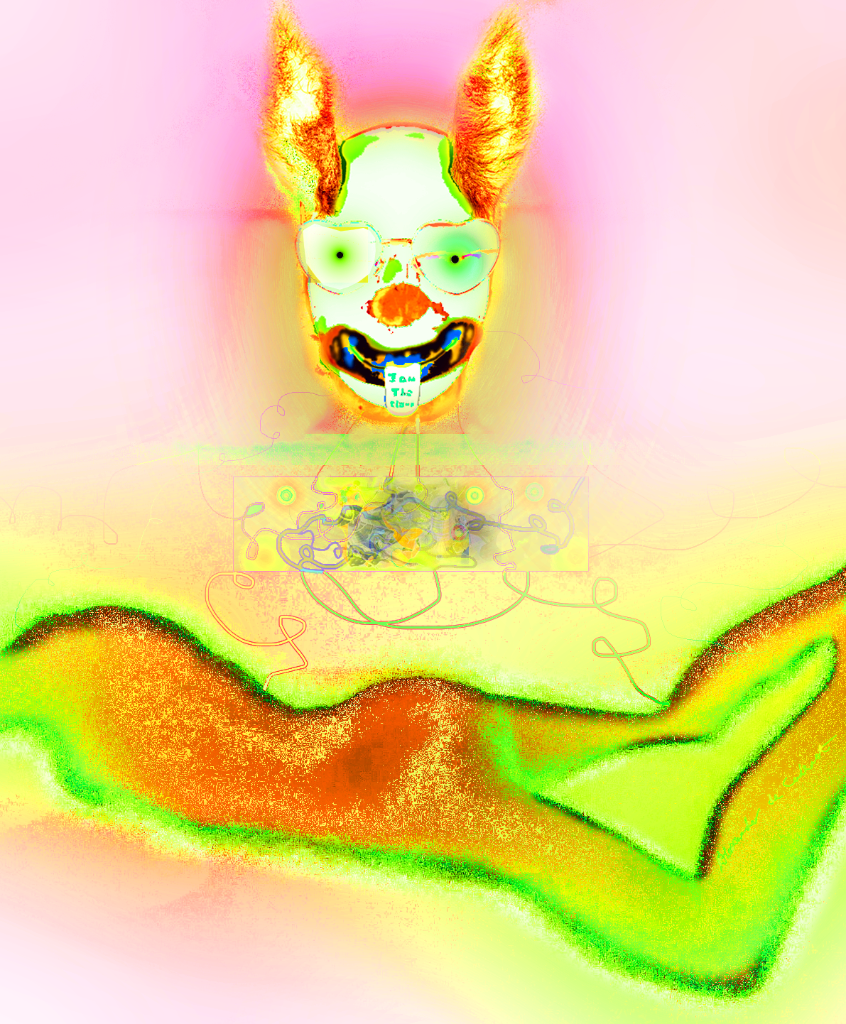
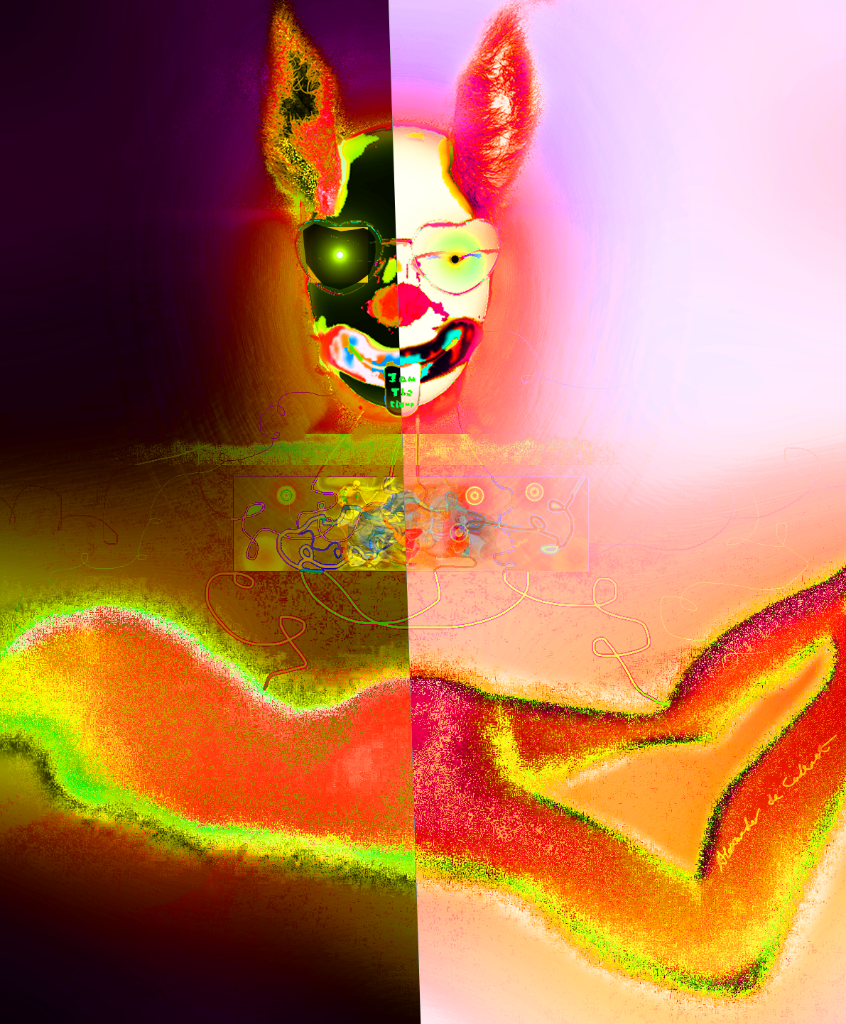
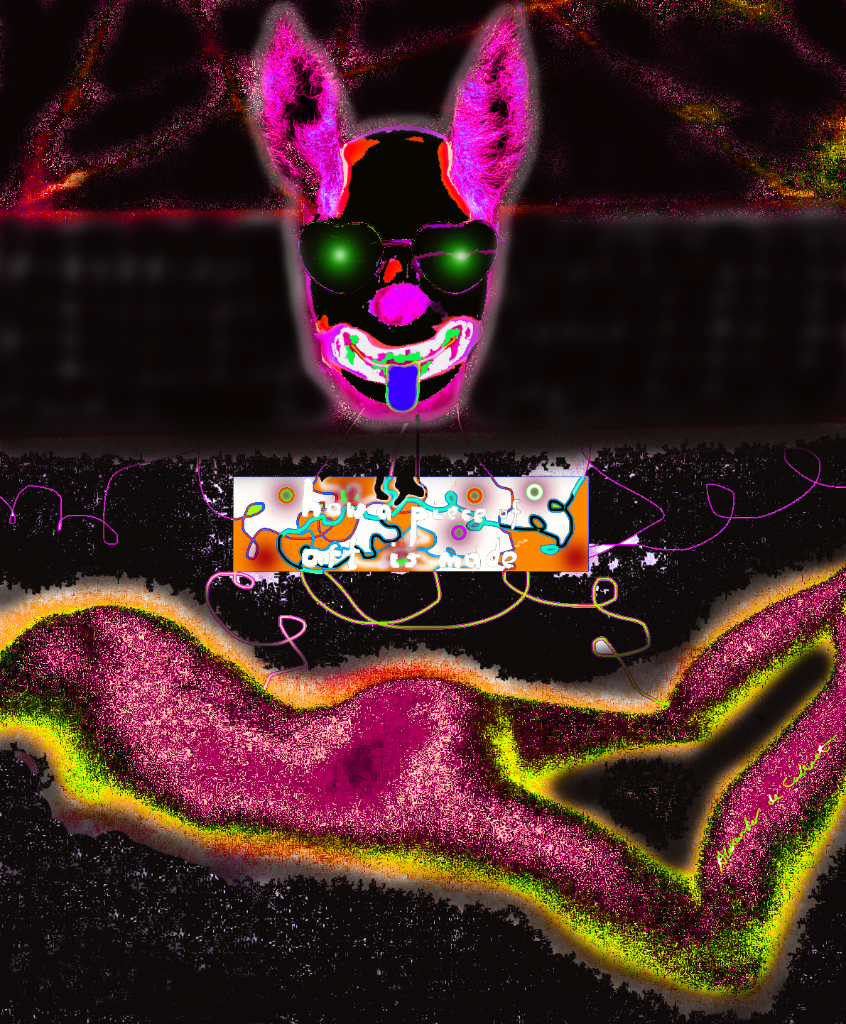
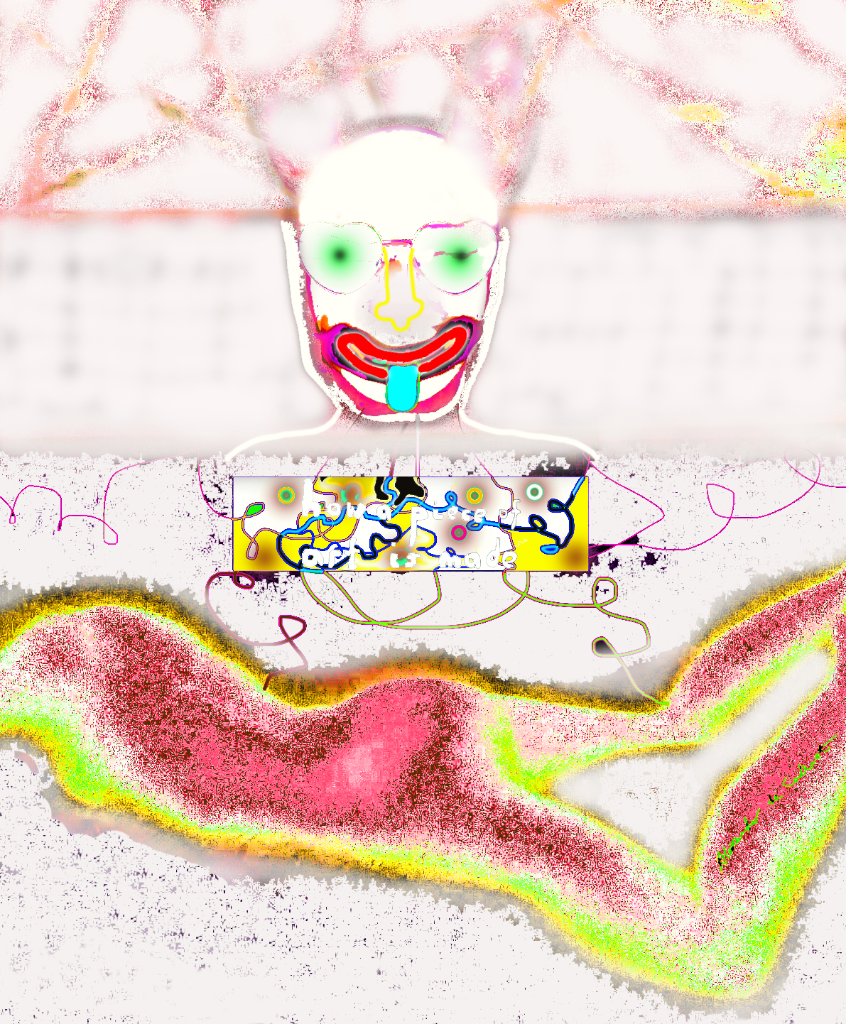
TÜLThe Clown
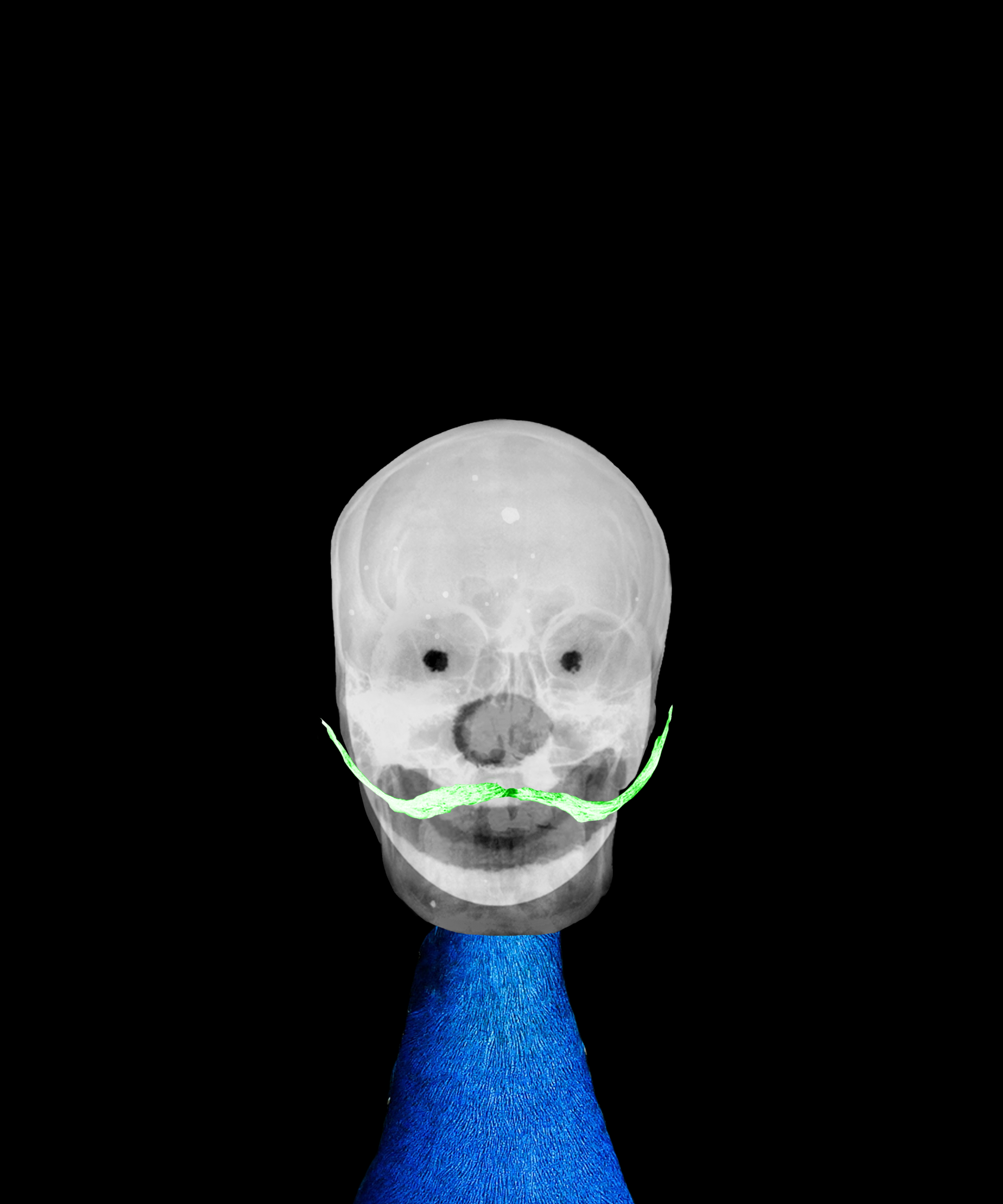
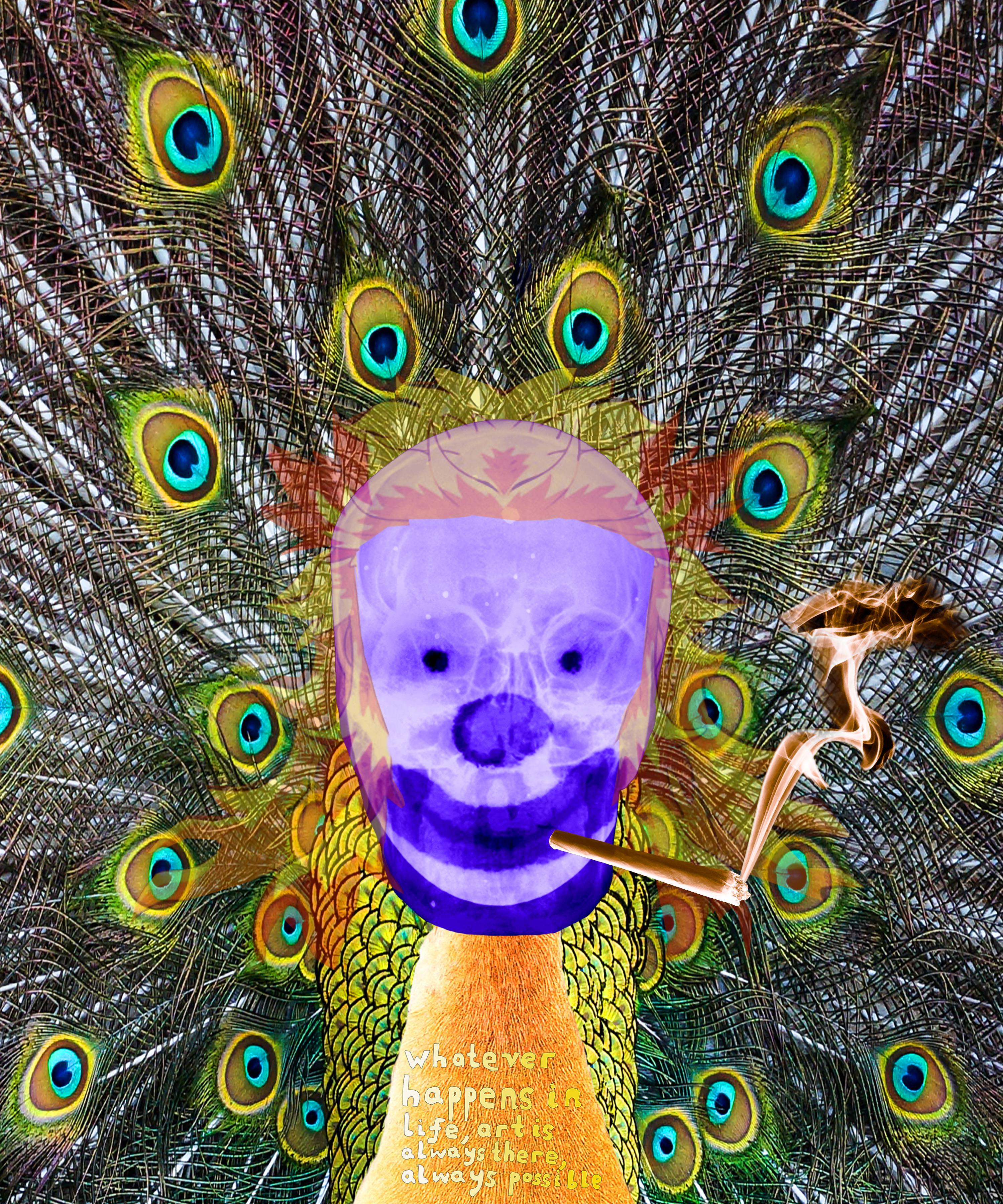
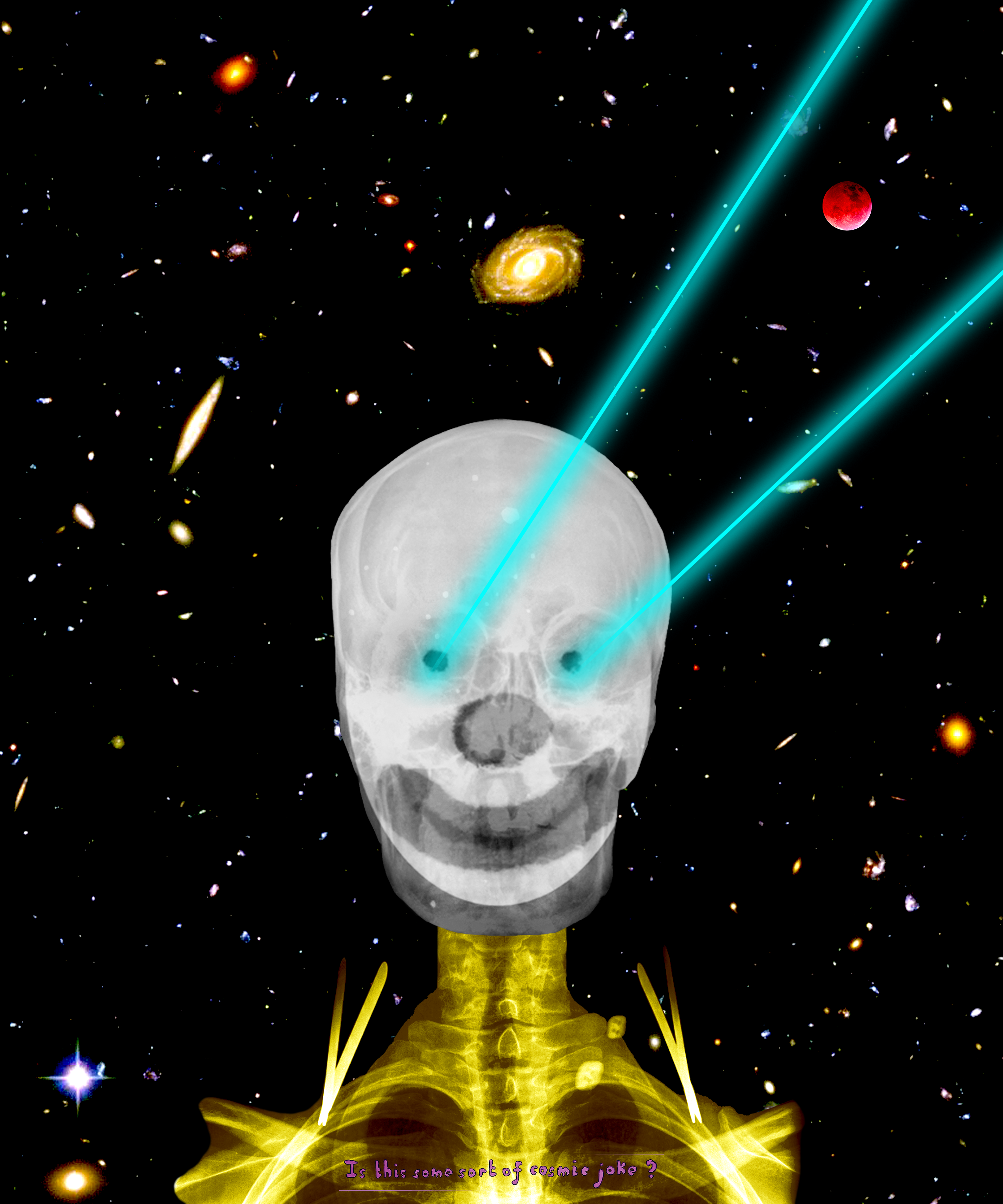
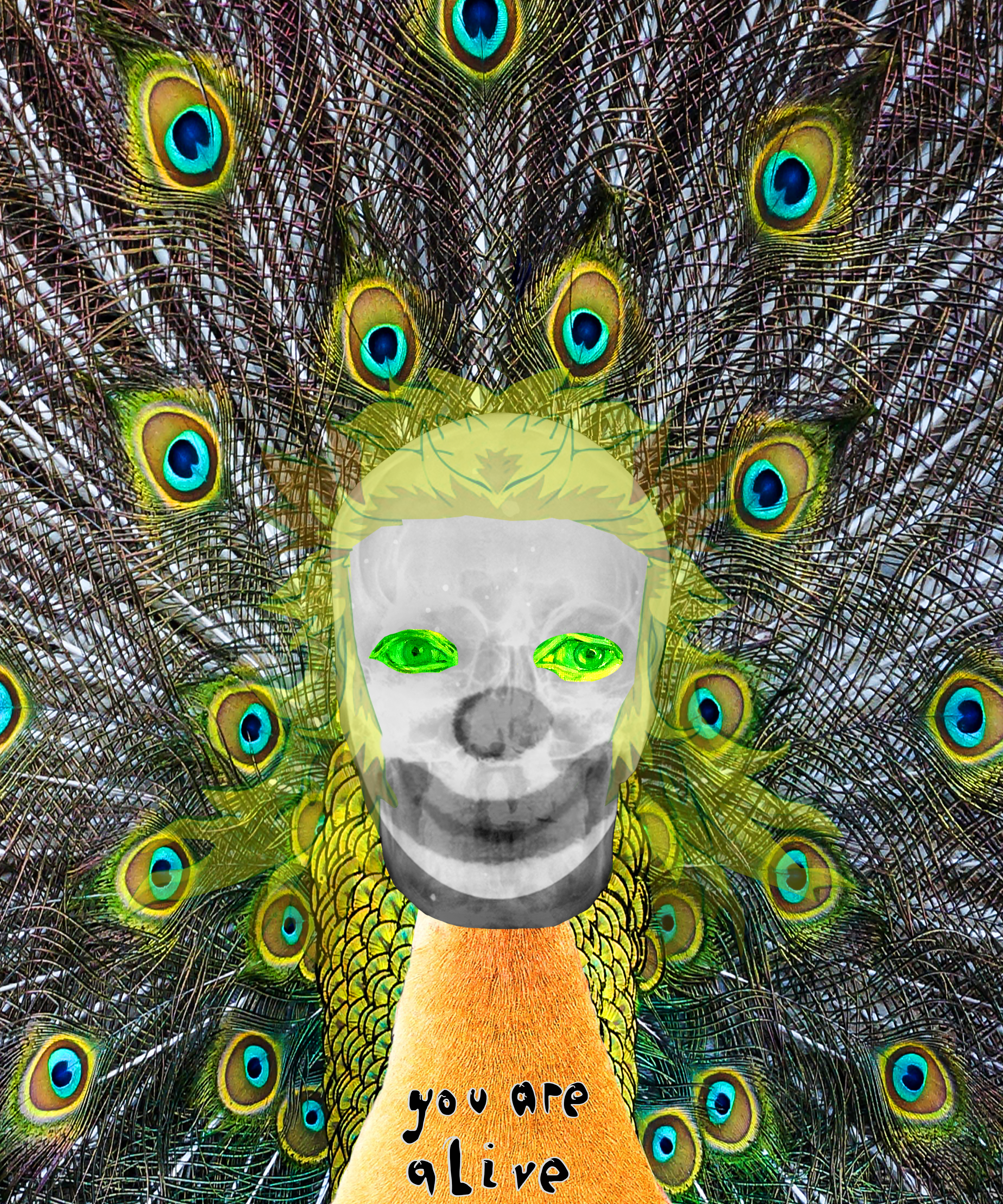
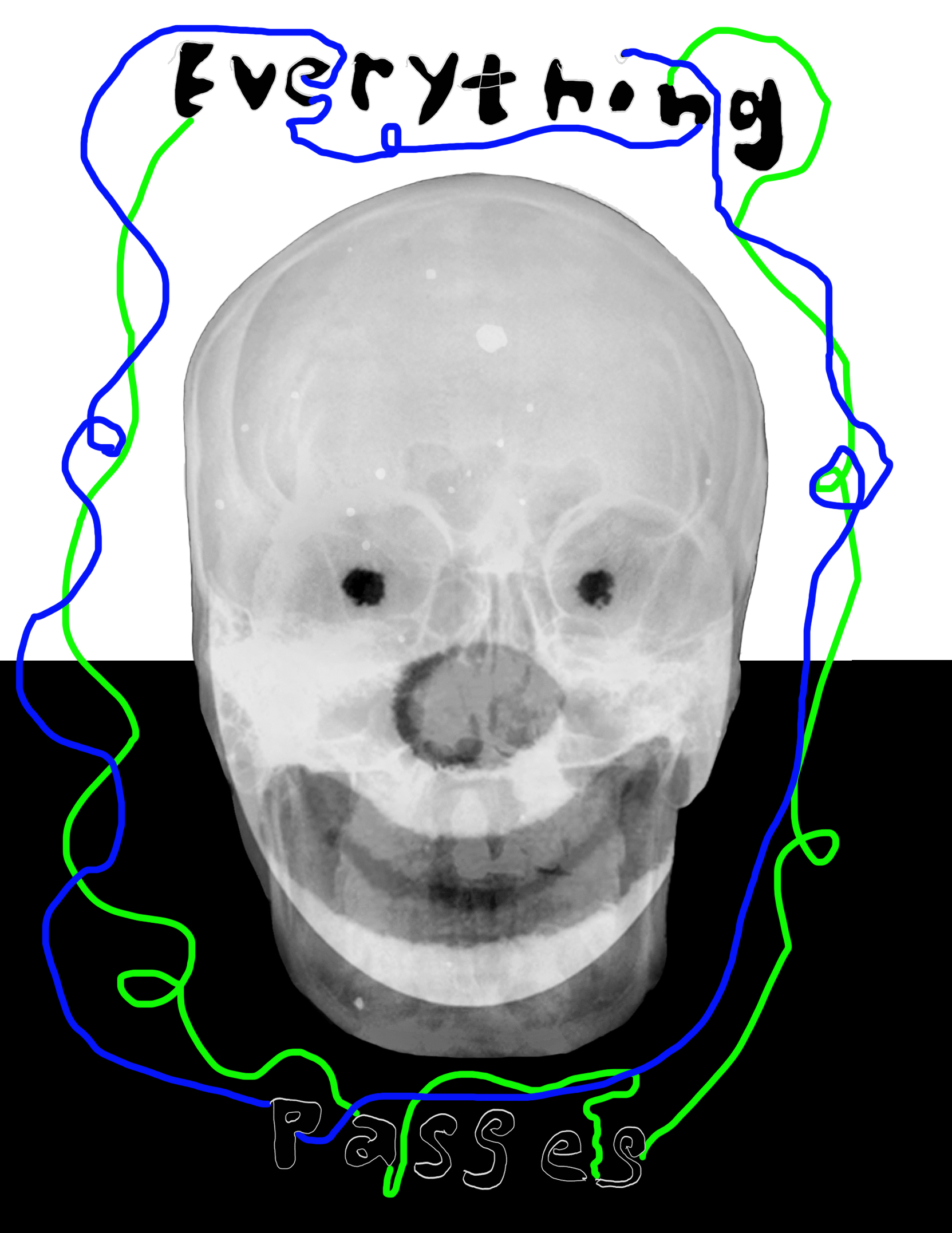
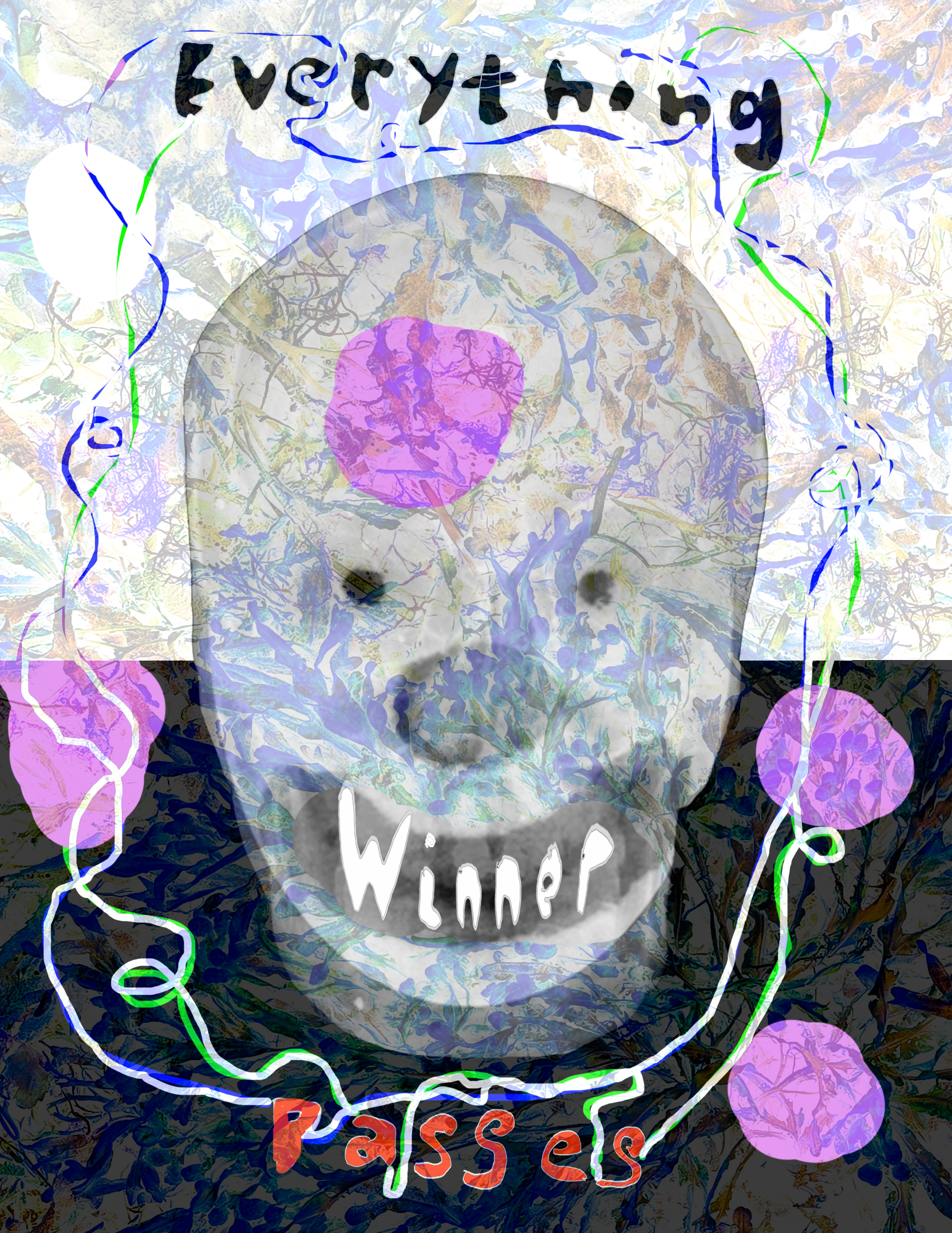
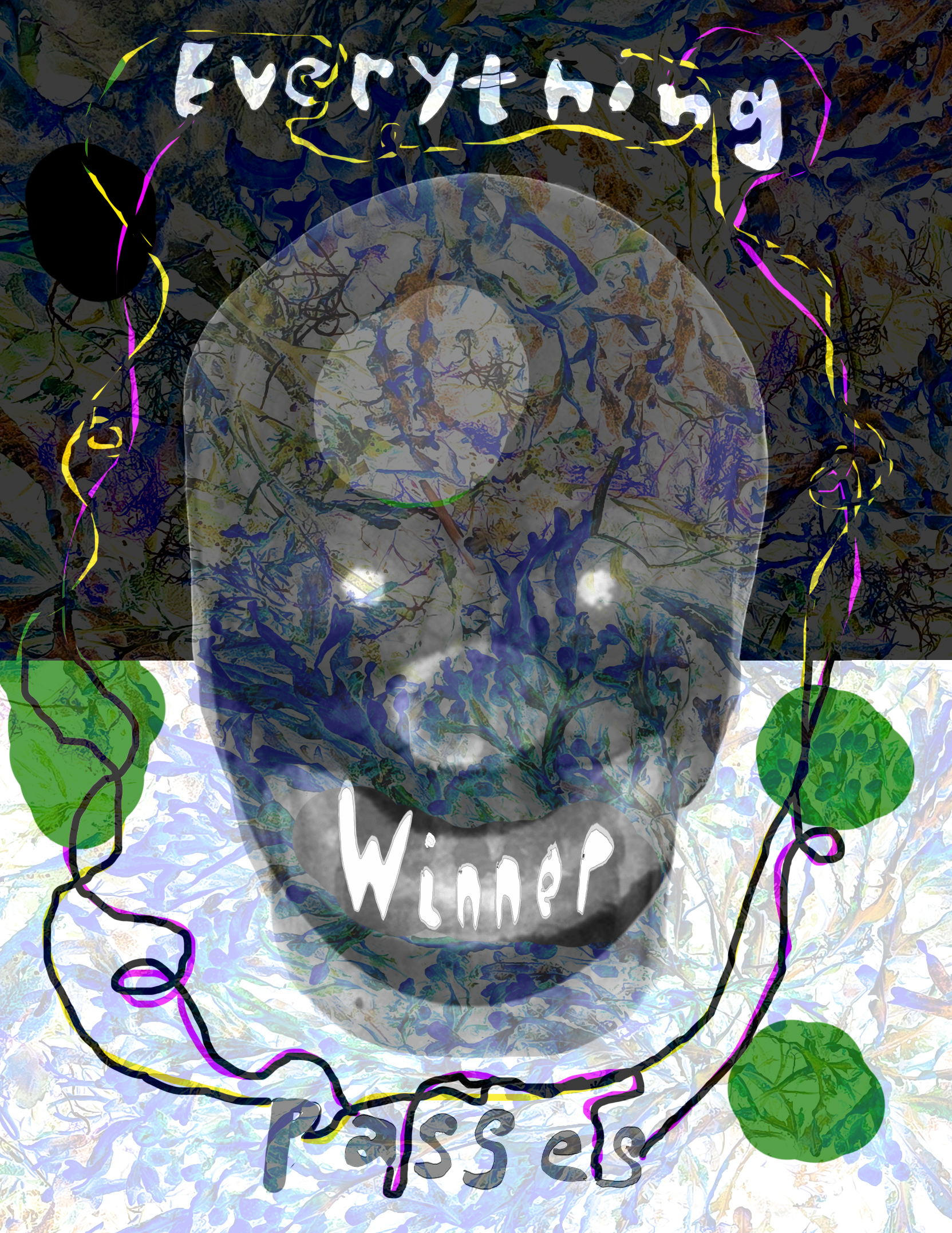
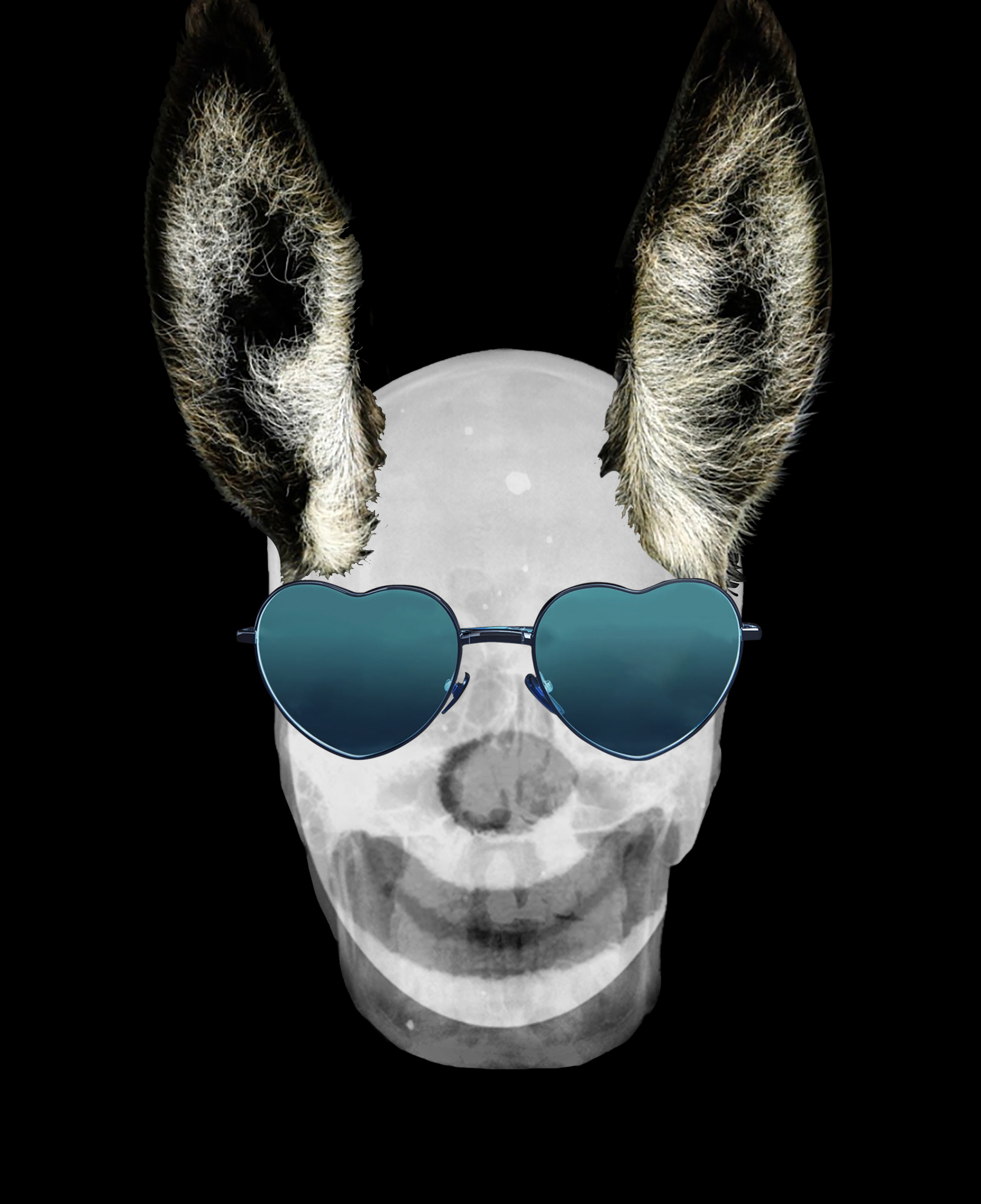
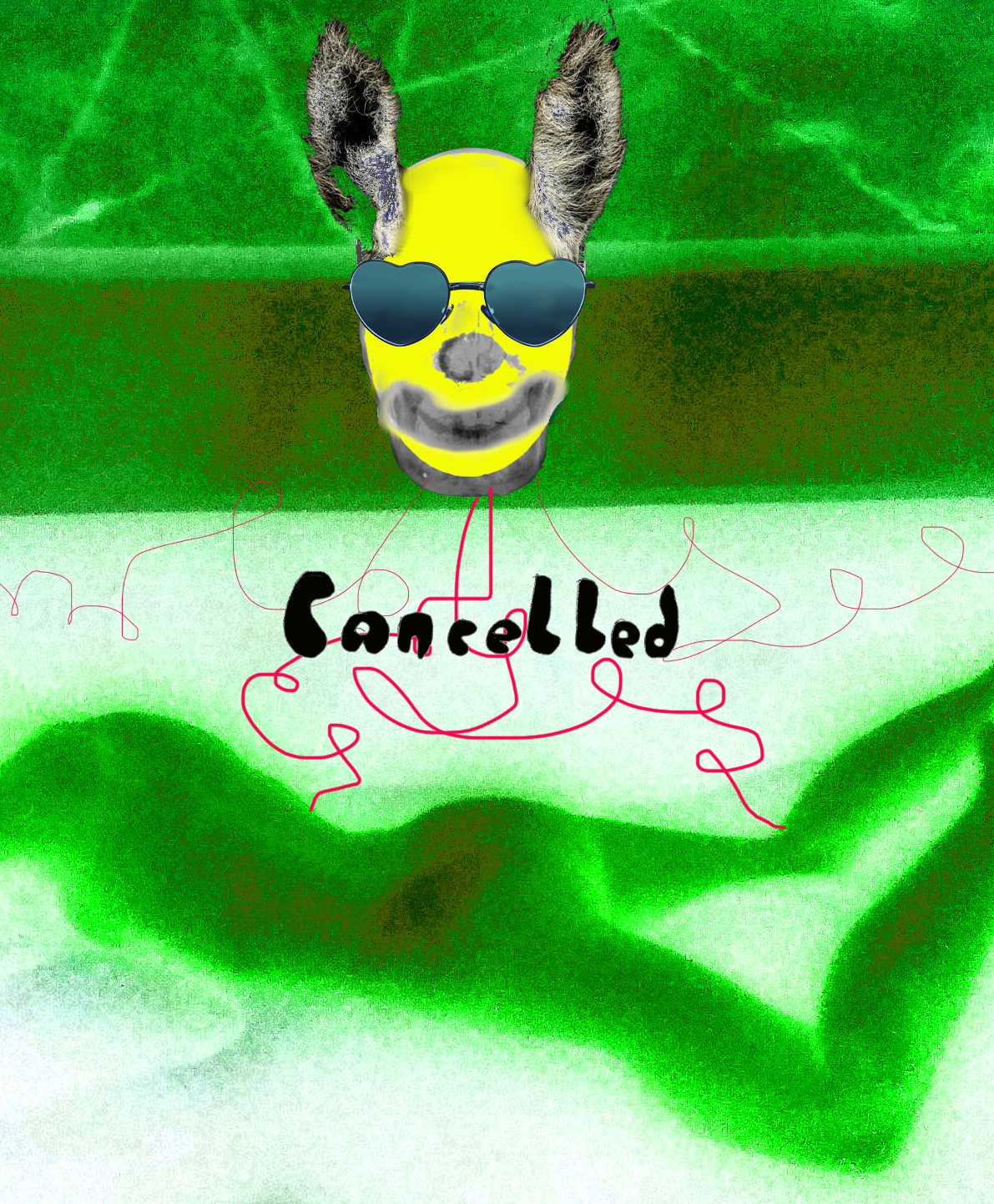
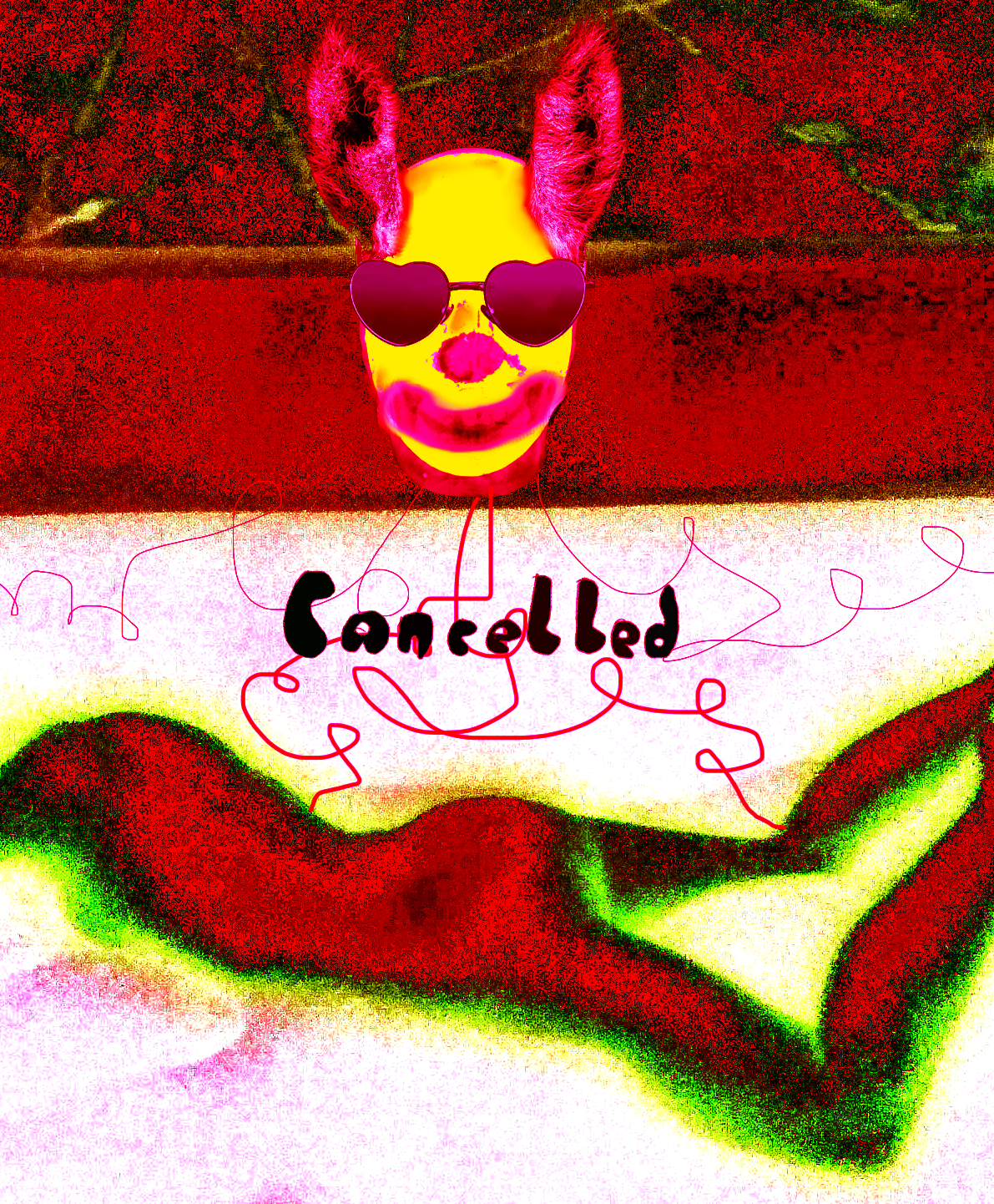
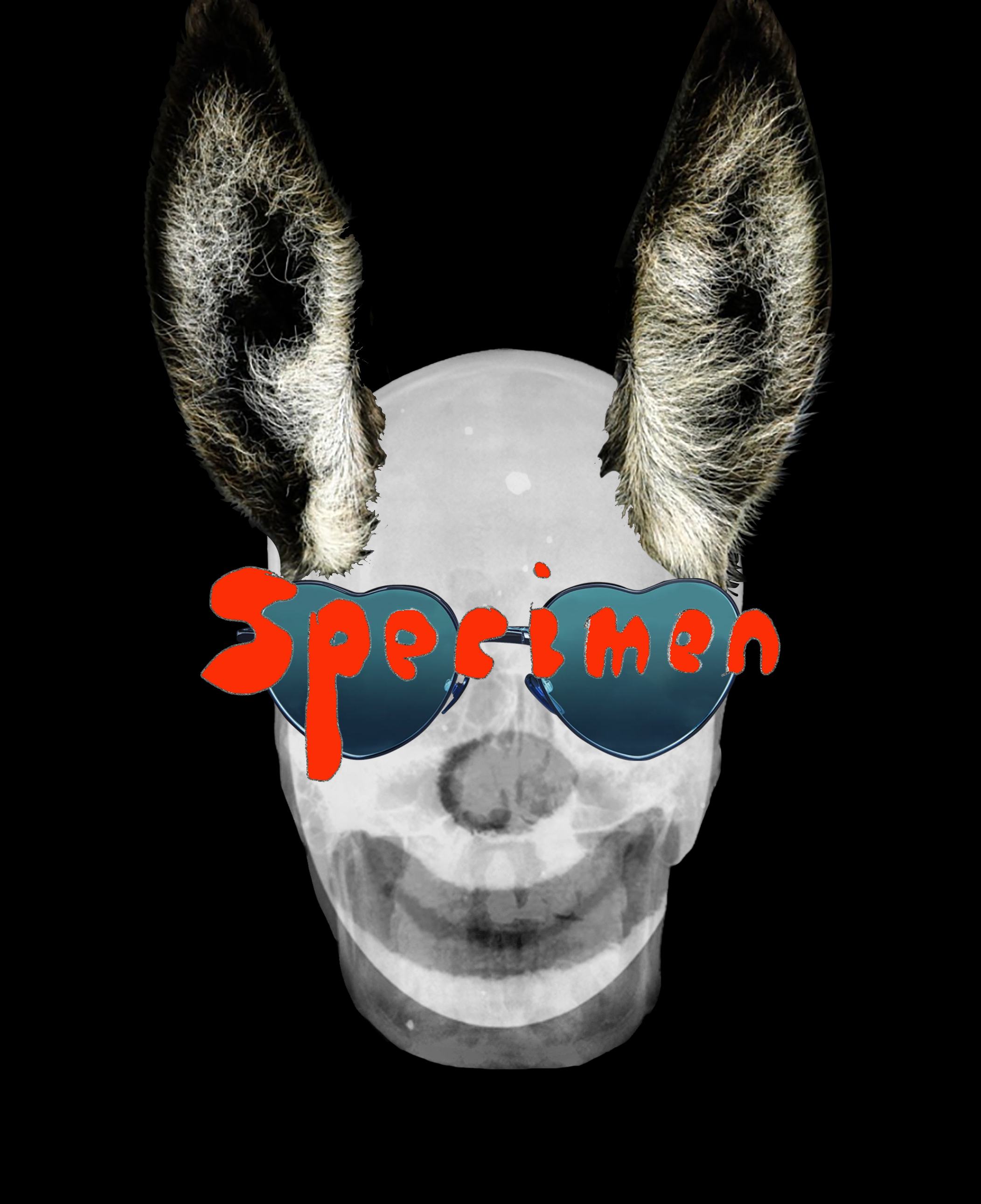
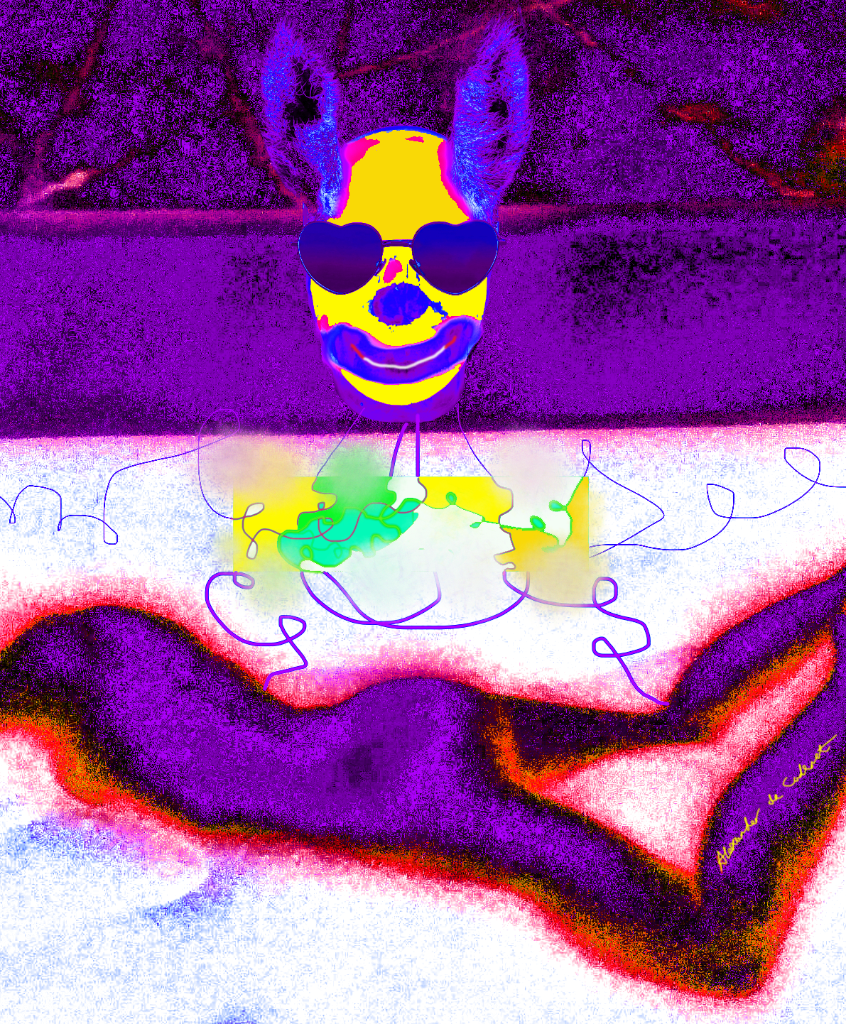
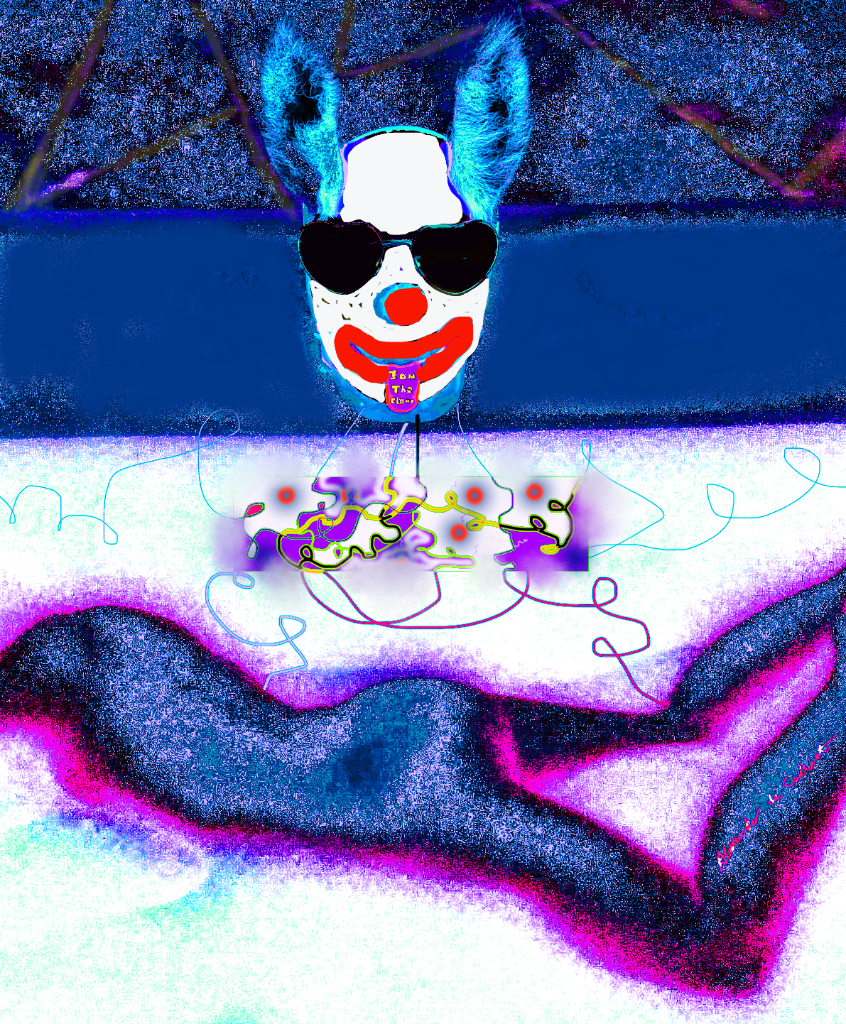
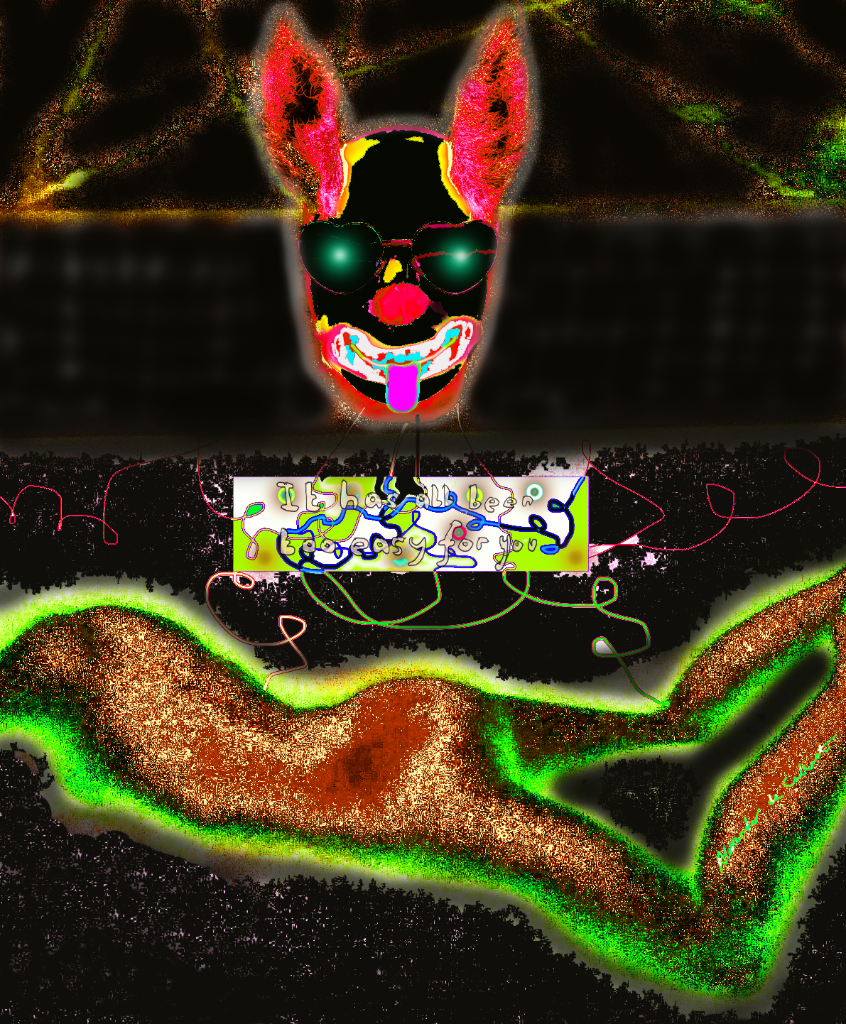
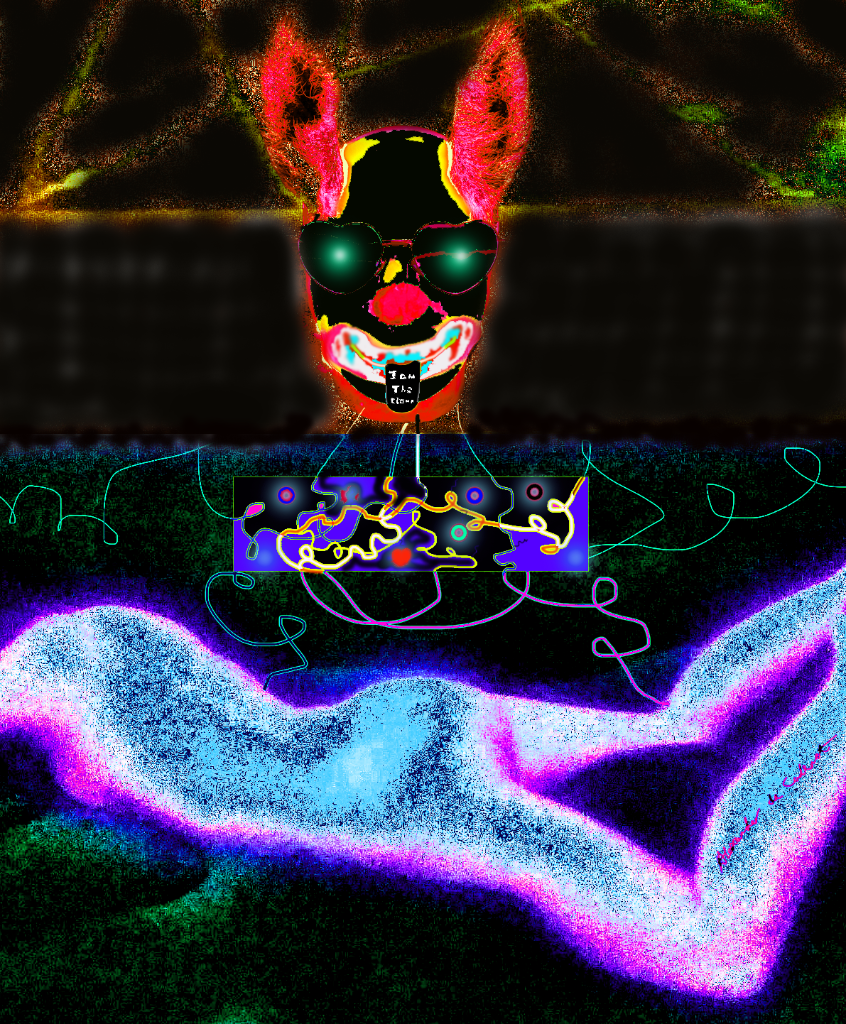
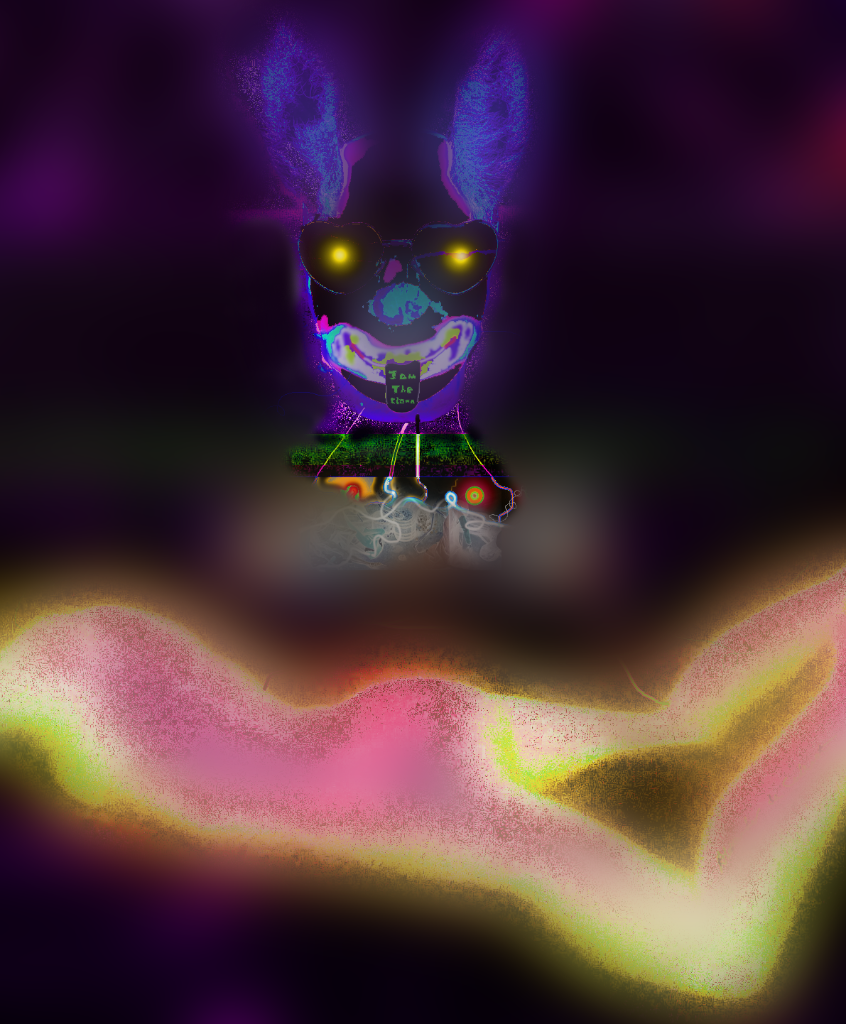
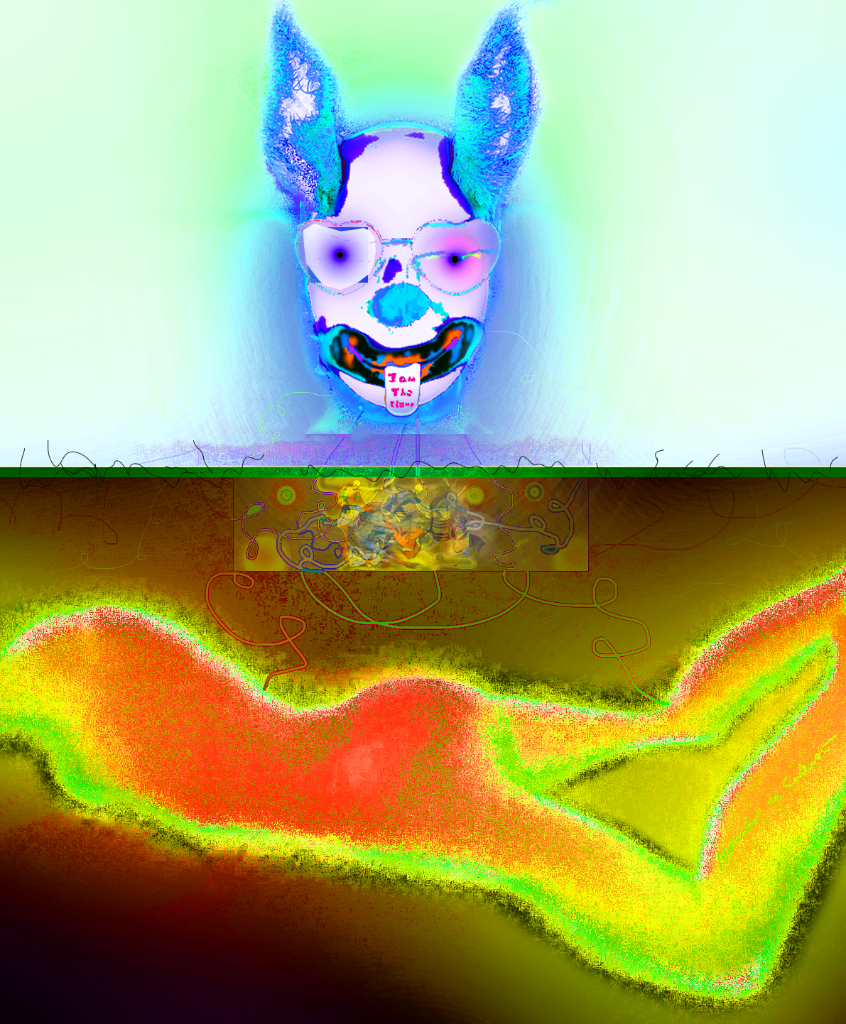
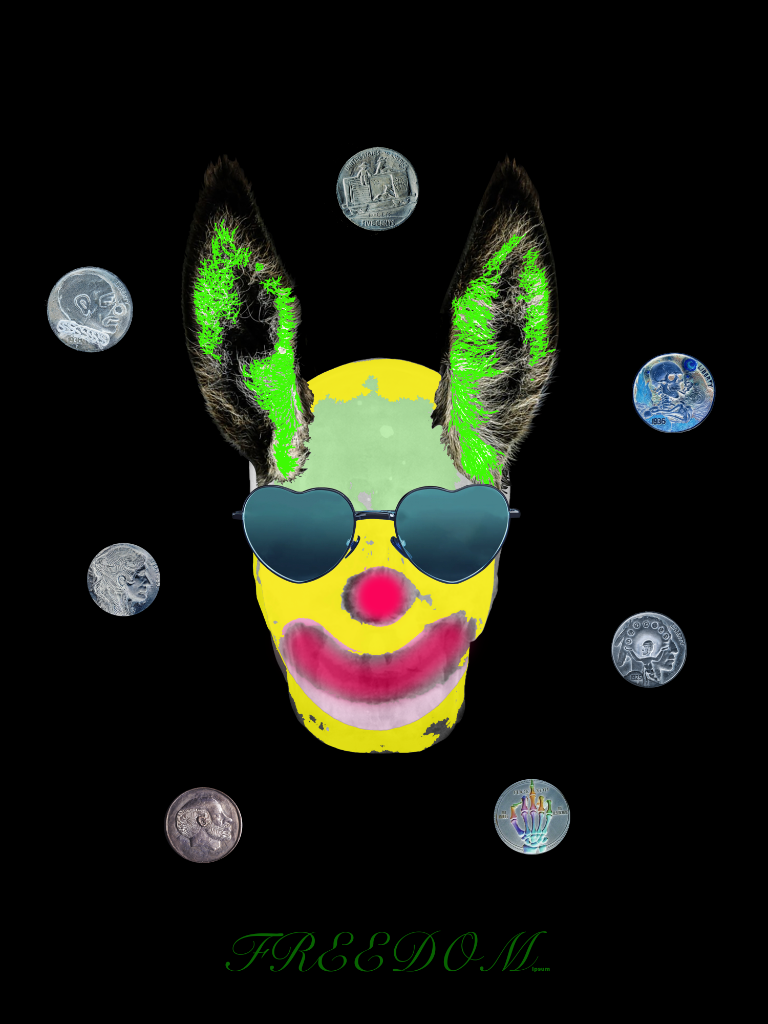
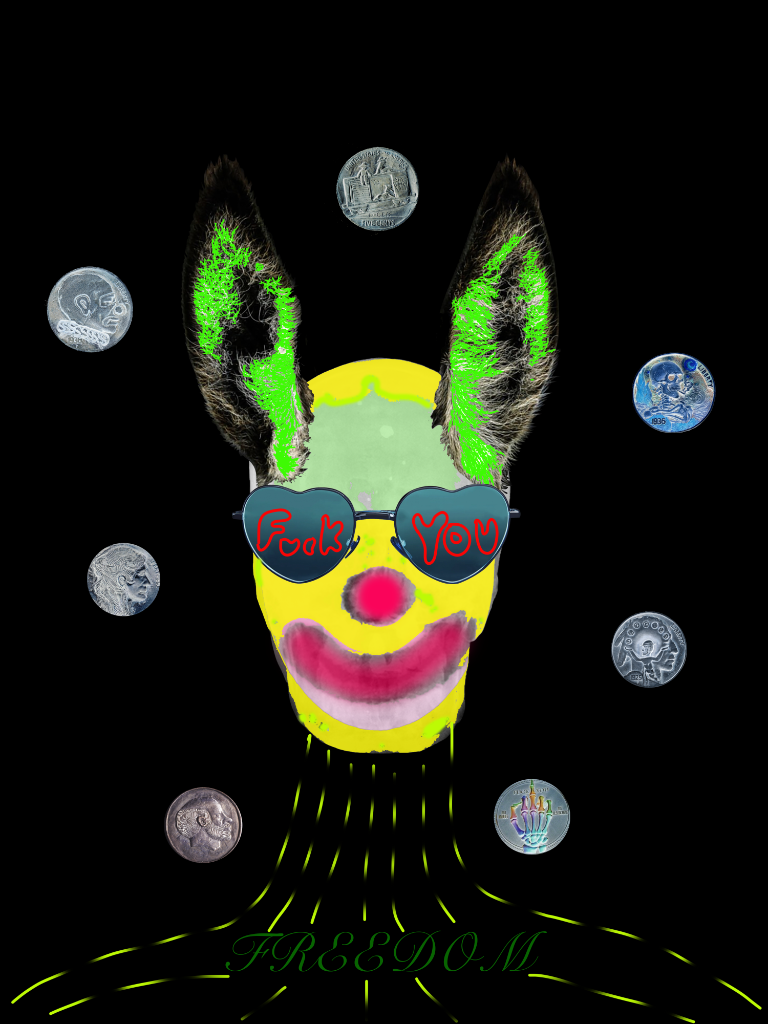
The Clown, a figure of laughter and despair, wears a mask of joy to veil profound darkness and unease. His painted face becomes a paradoxical symbol: a projection of levity, yet a fortress against the pain of rejection and abuse. The human skull beneath reminds us that humour, like life, is transient − both defiance of death and an echo of it. In the Tarot, he mirrors The Fool, balancing on the precipice of chaos, caught between innocence and folly. Mythology's clever clowns, such as Loki, similarly embody this duality, wielding humour as both weapon and shield, helmet and mask. Philosophy frames the Clown as a nihilistic figure, his laughter masking existential dread, while in Buddhism, he reflects samsara's suffering − a reminder of life's cycles of pain and fleeting relief. Literature immortalises the Clown as both victim and villain, and in the medium of film, one of the most poignant embodiments of the archetype of the Clown must be the character of Arthur Fleck in The Joker, (Todd Phillips, 2019), revealing the tragic truth: the greatest jest may be the illusion of happiness itself.