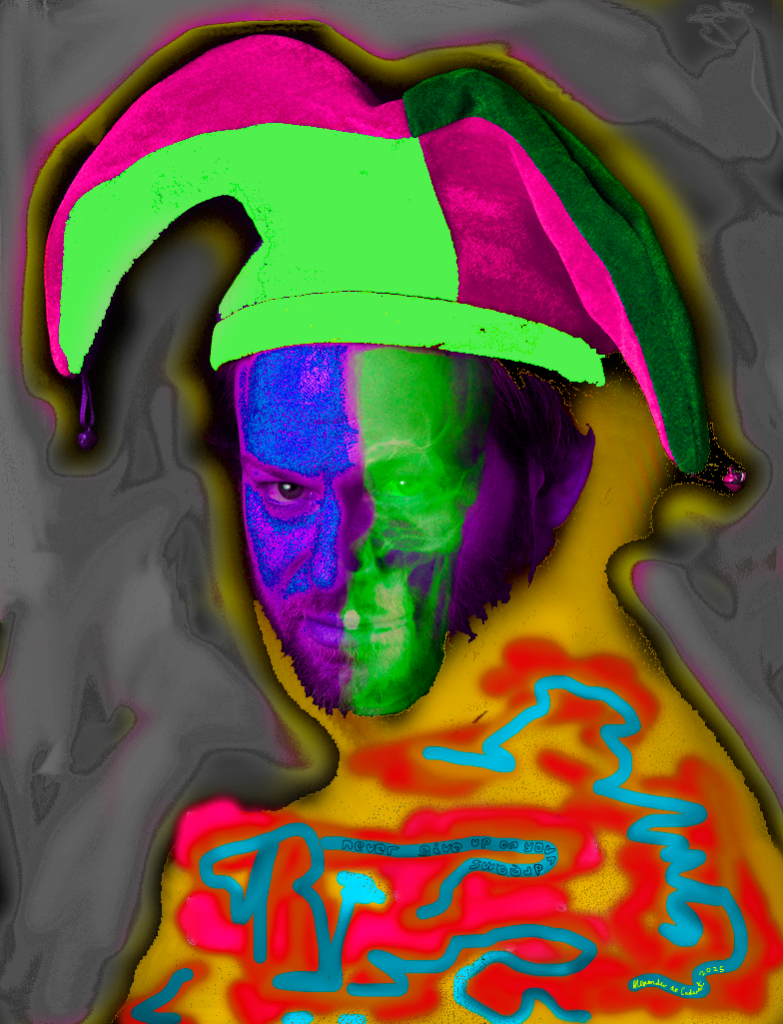
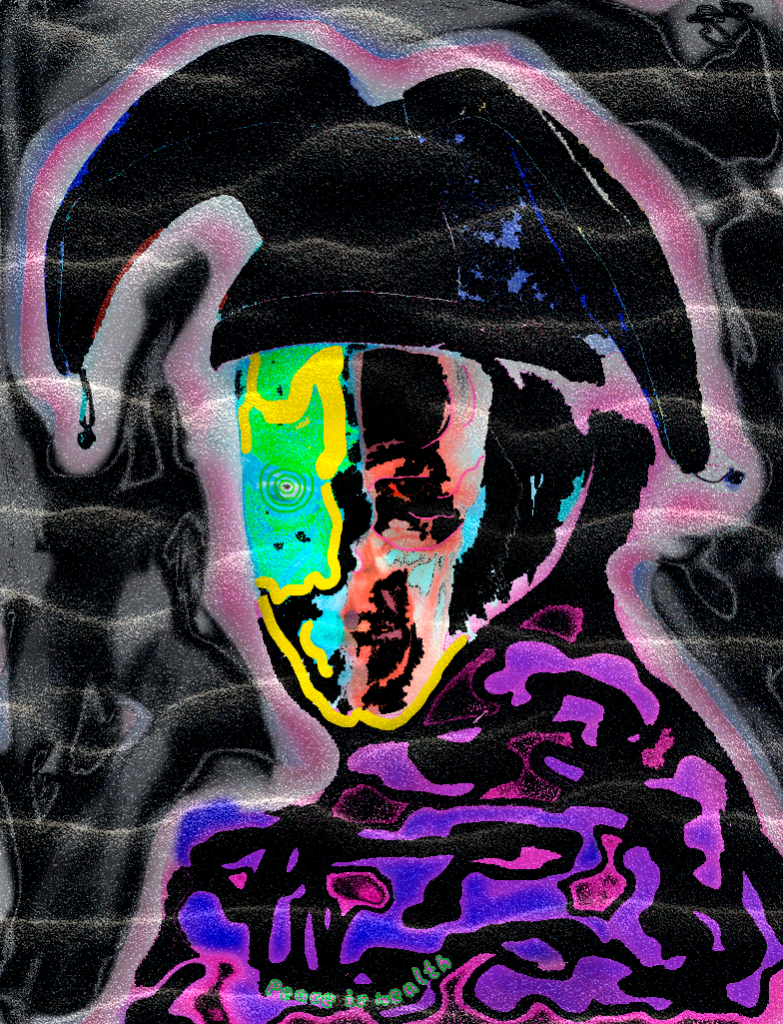
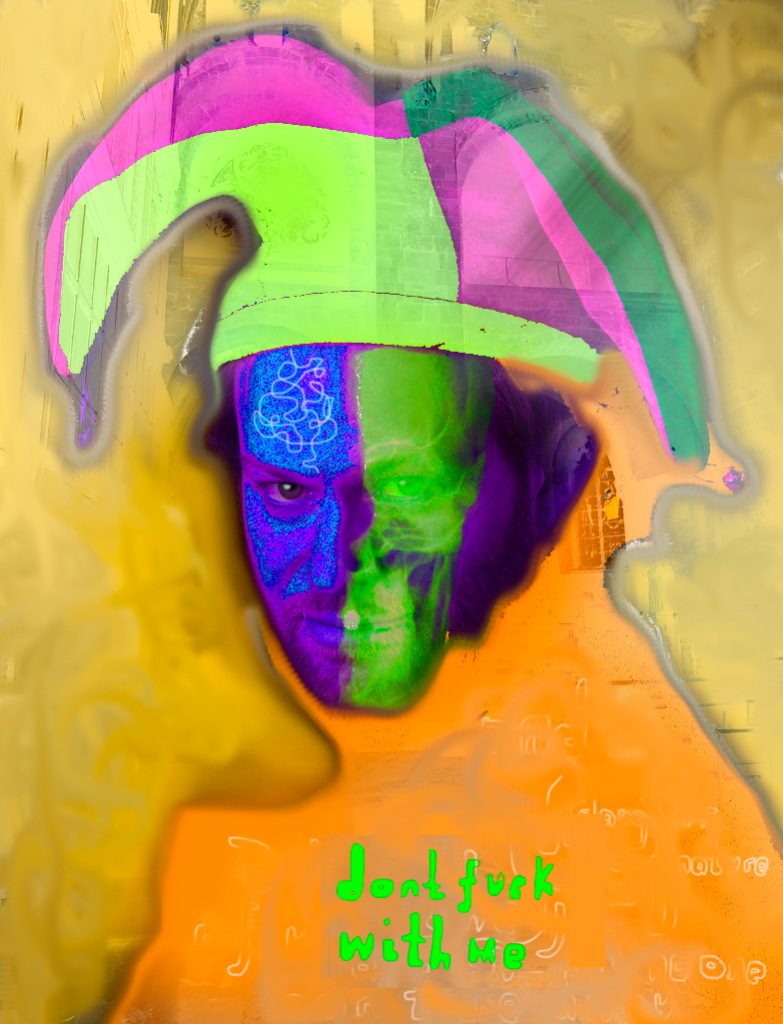
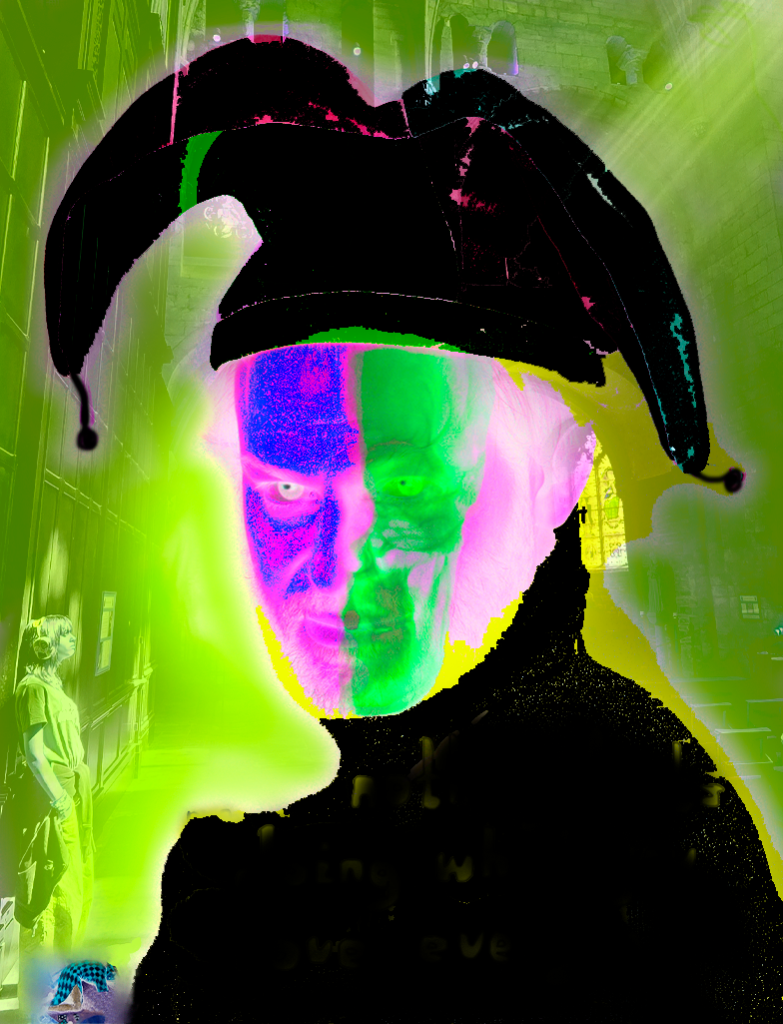
YVESThe Jester
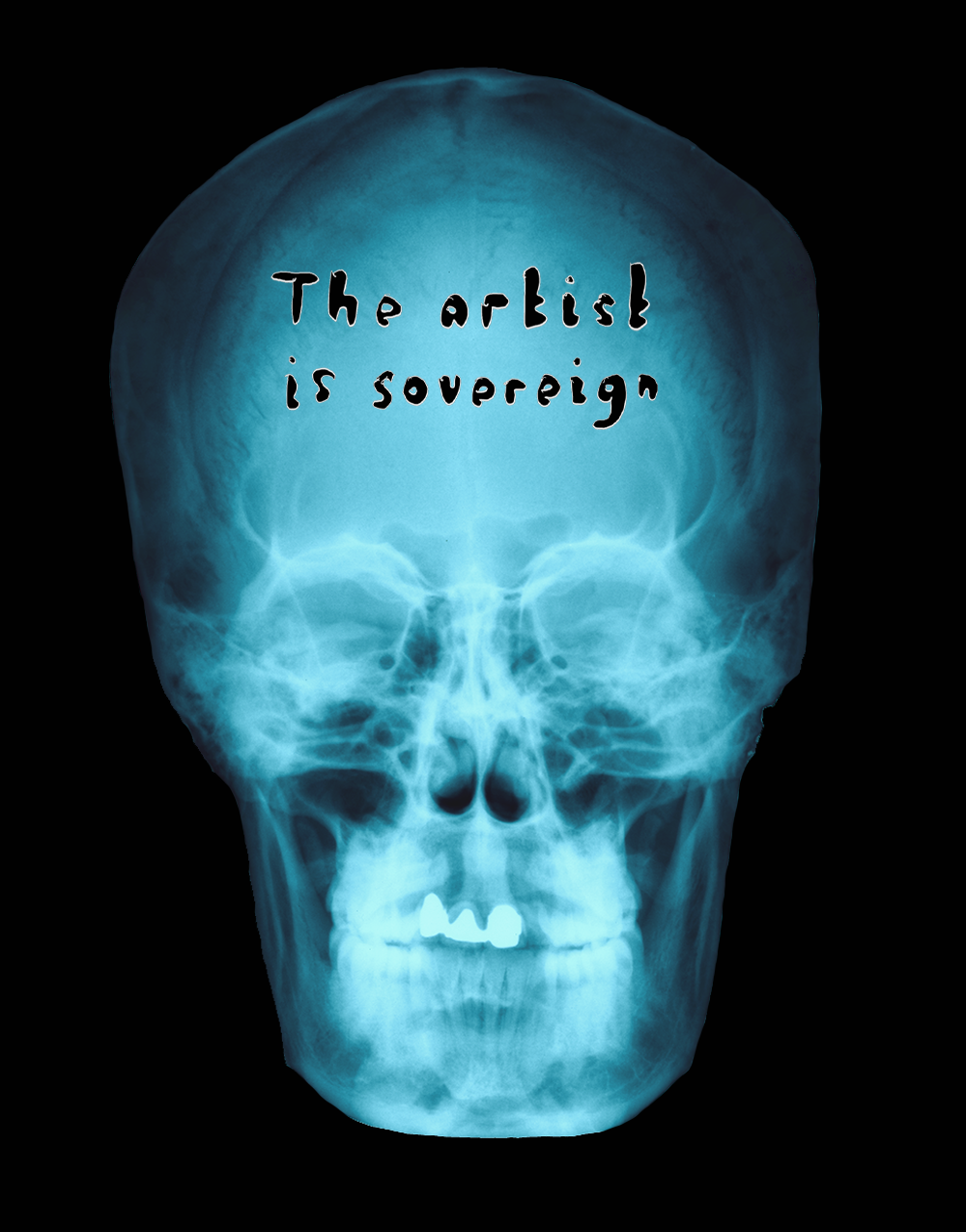
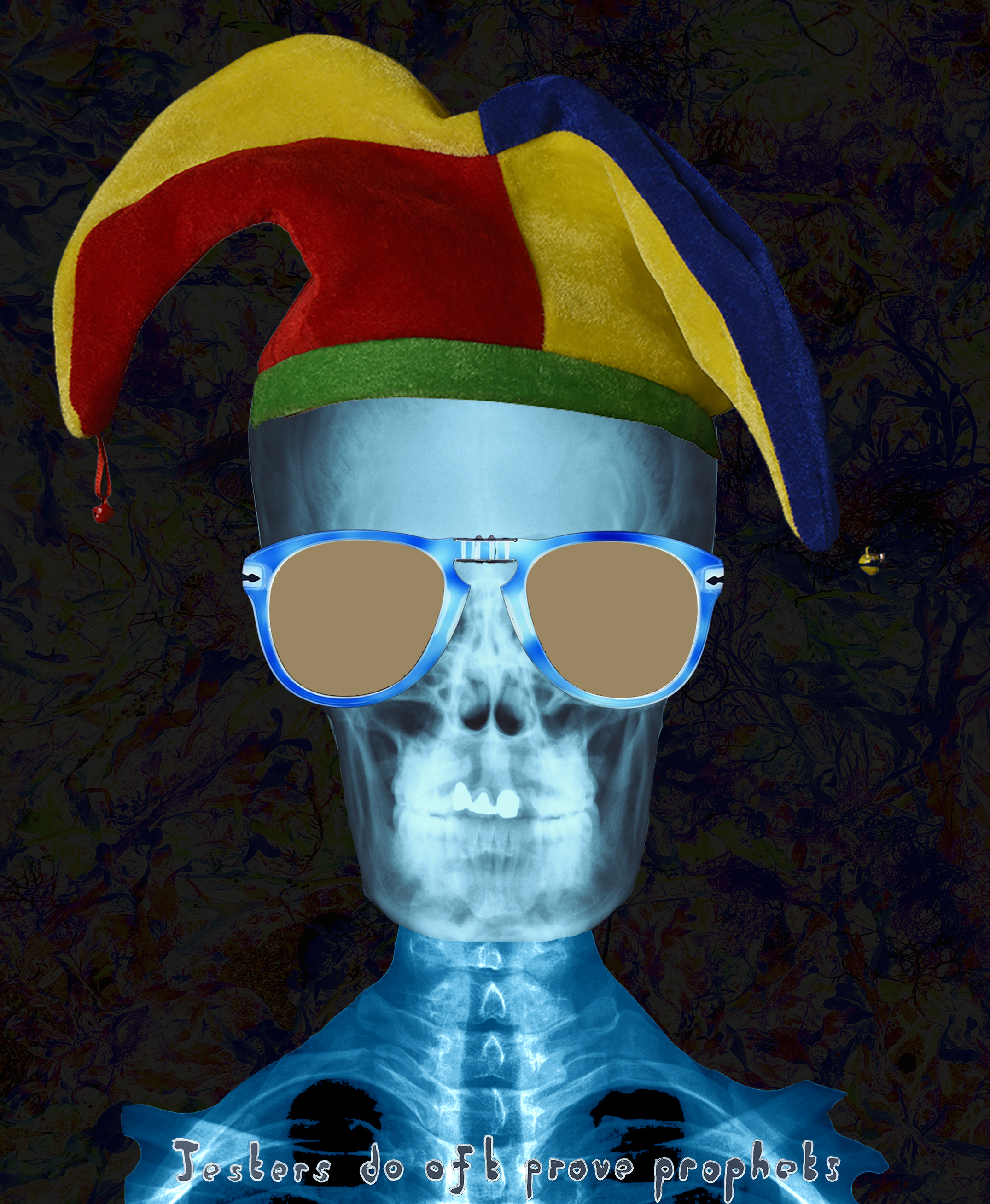
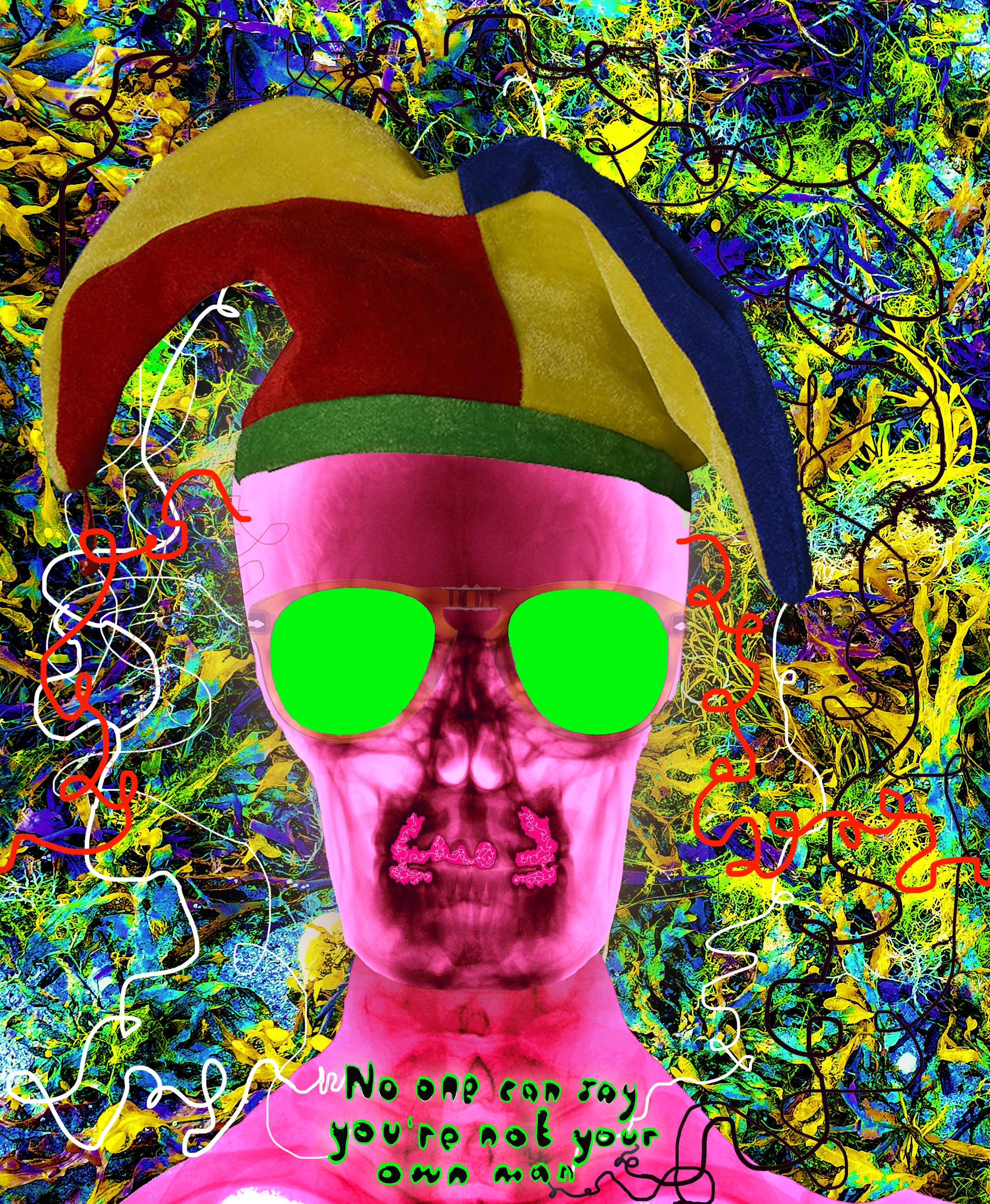
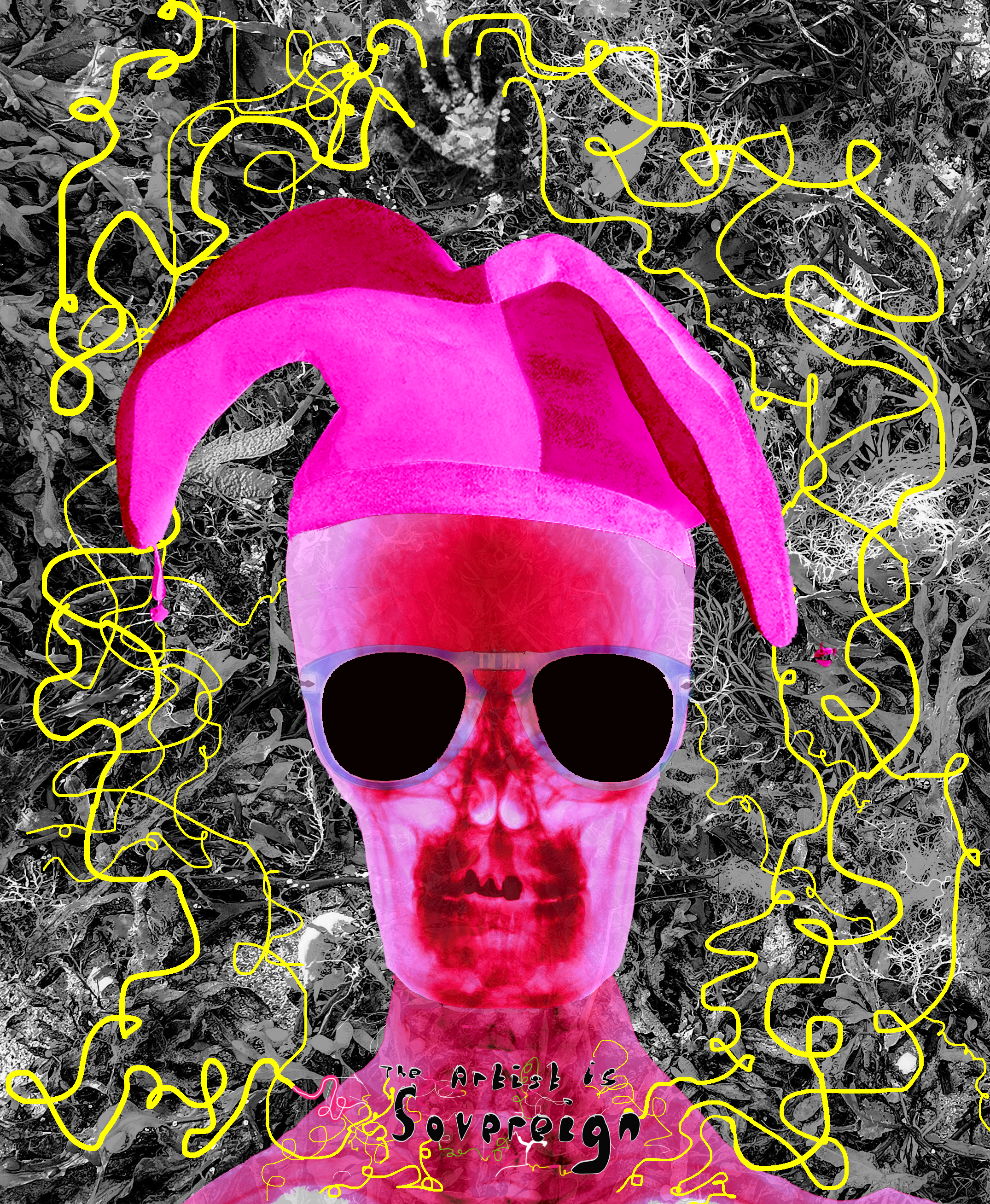
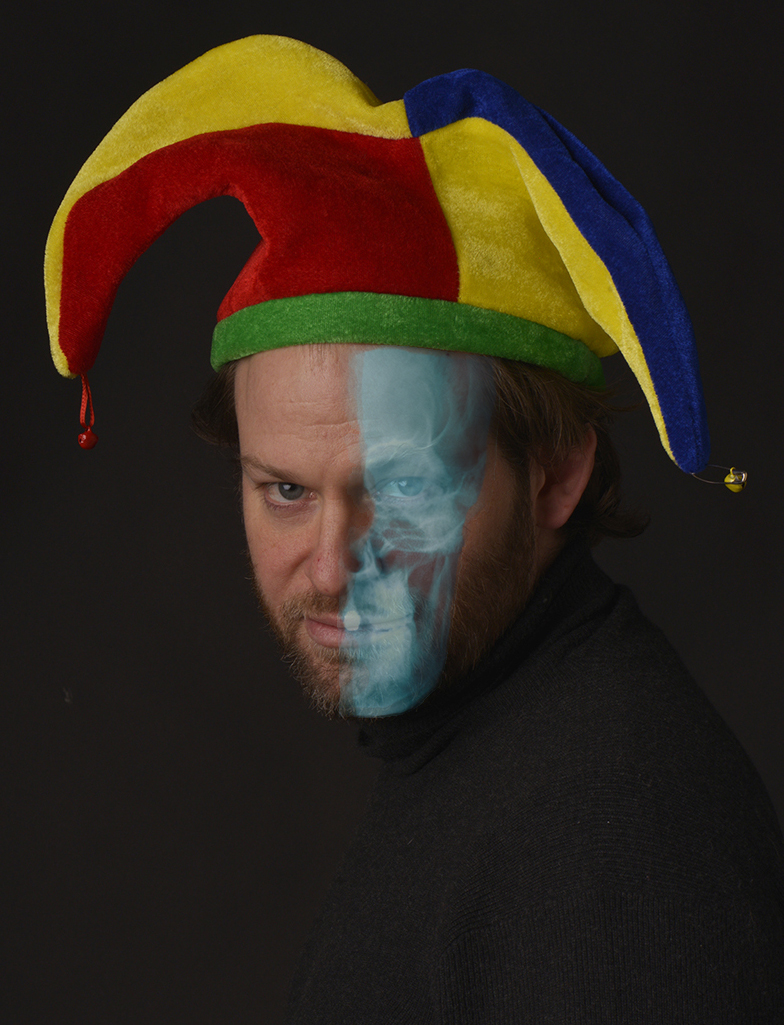
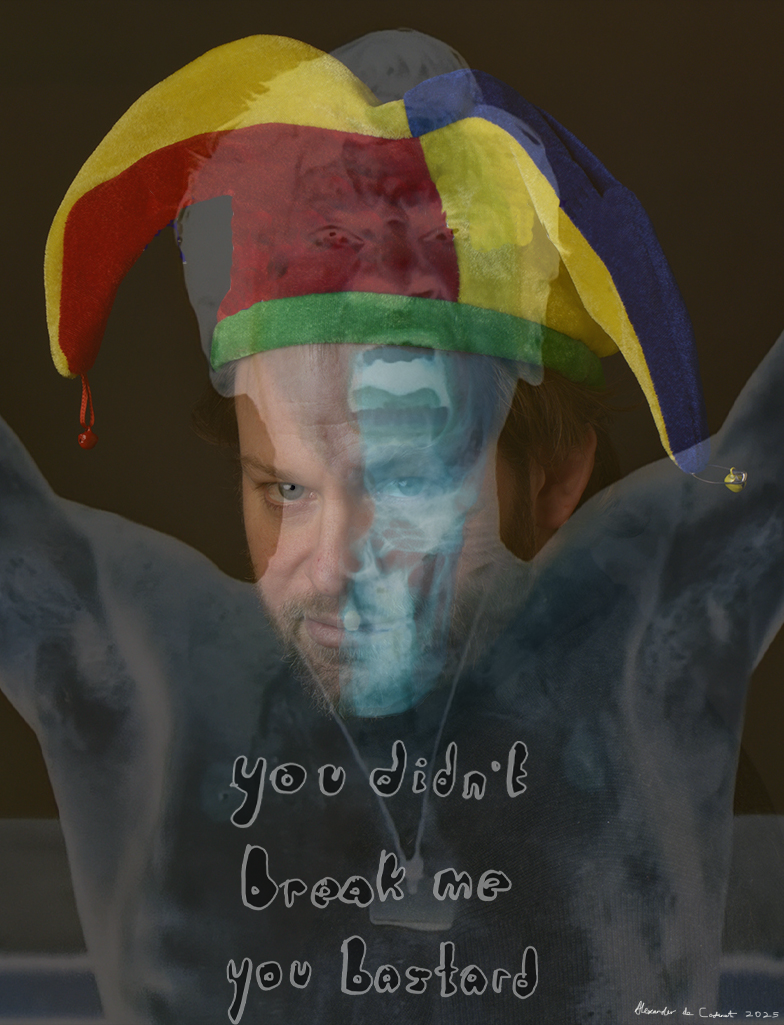
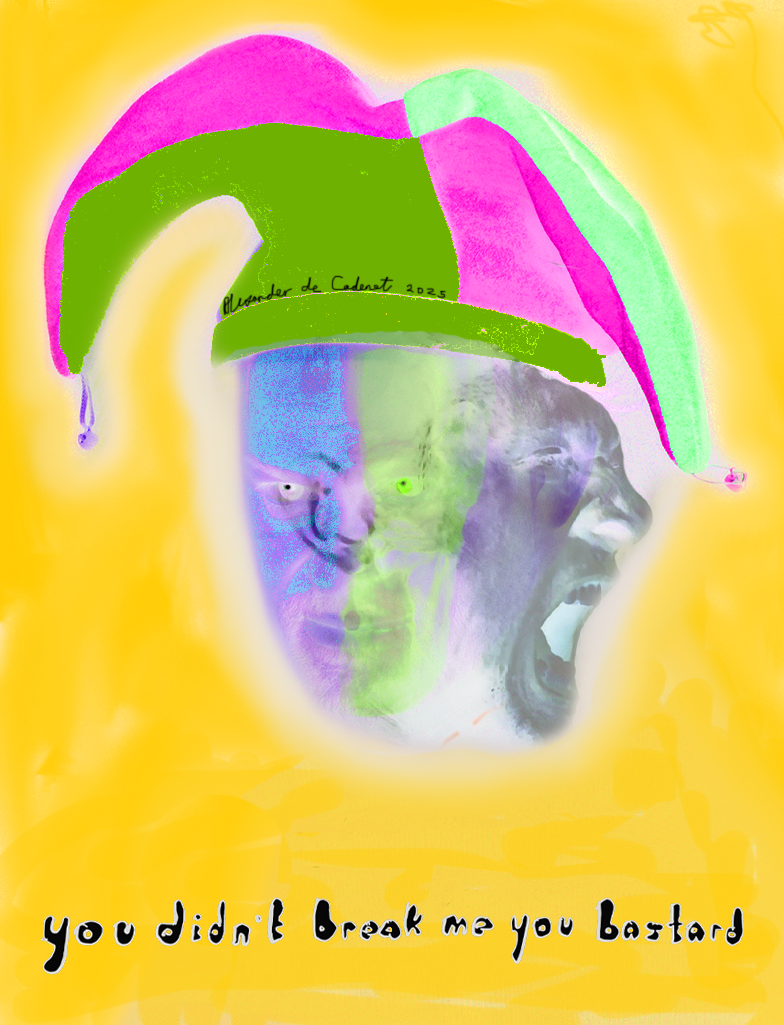
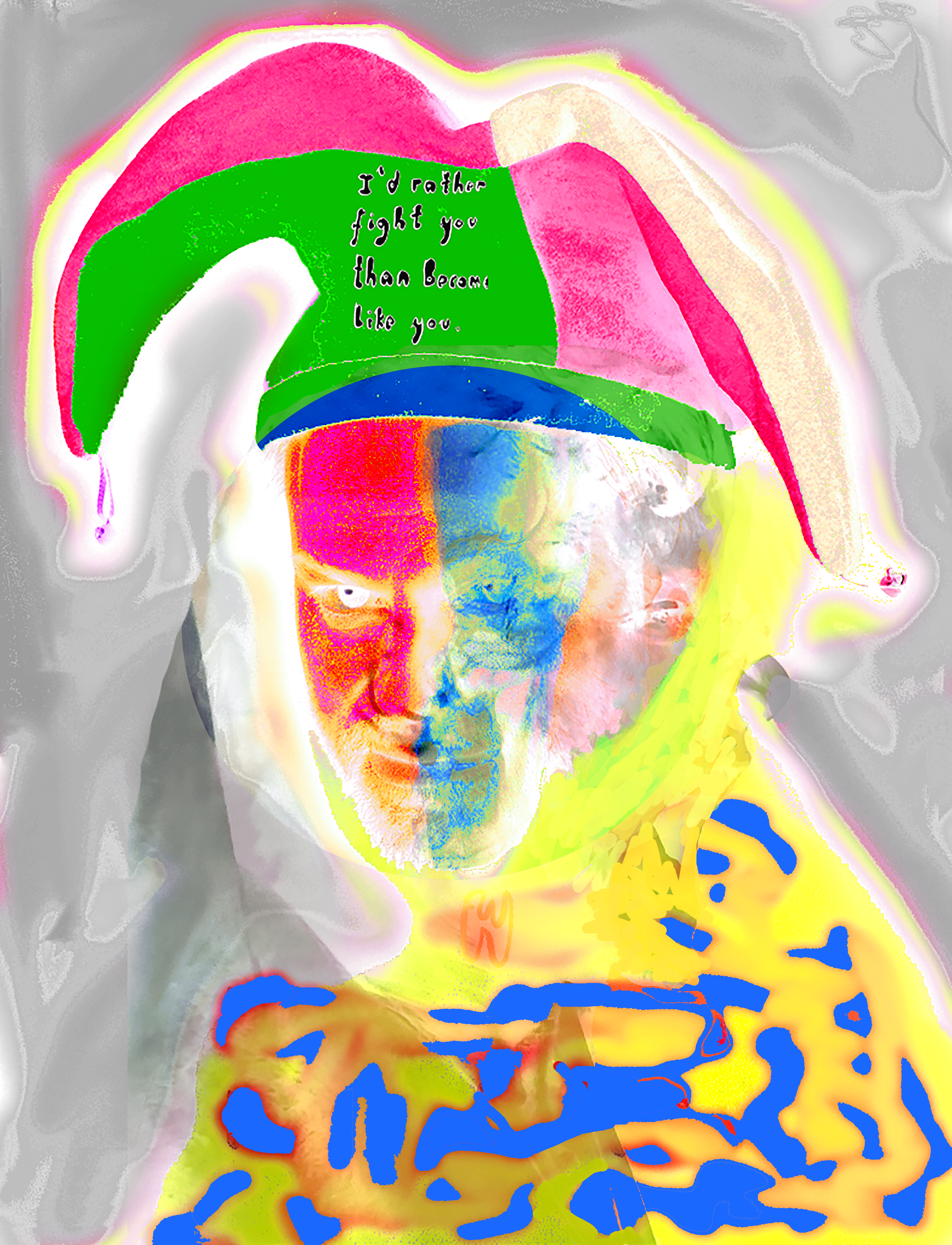
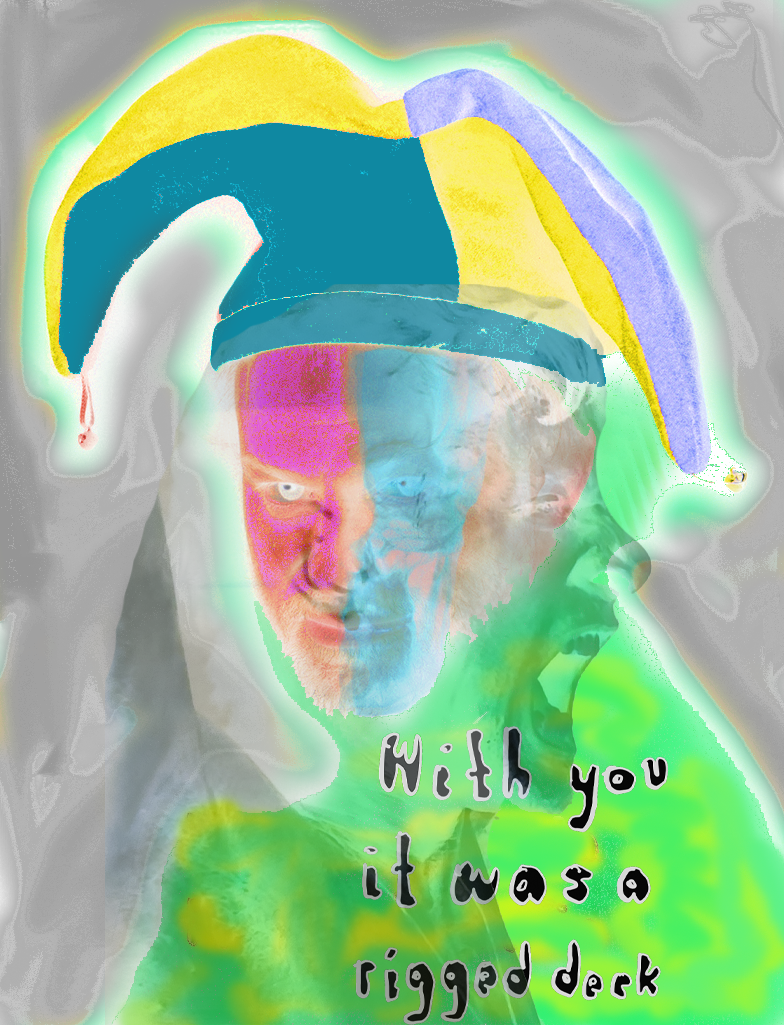
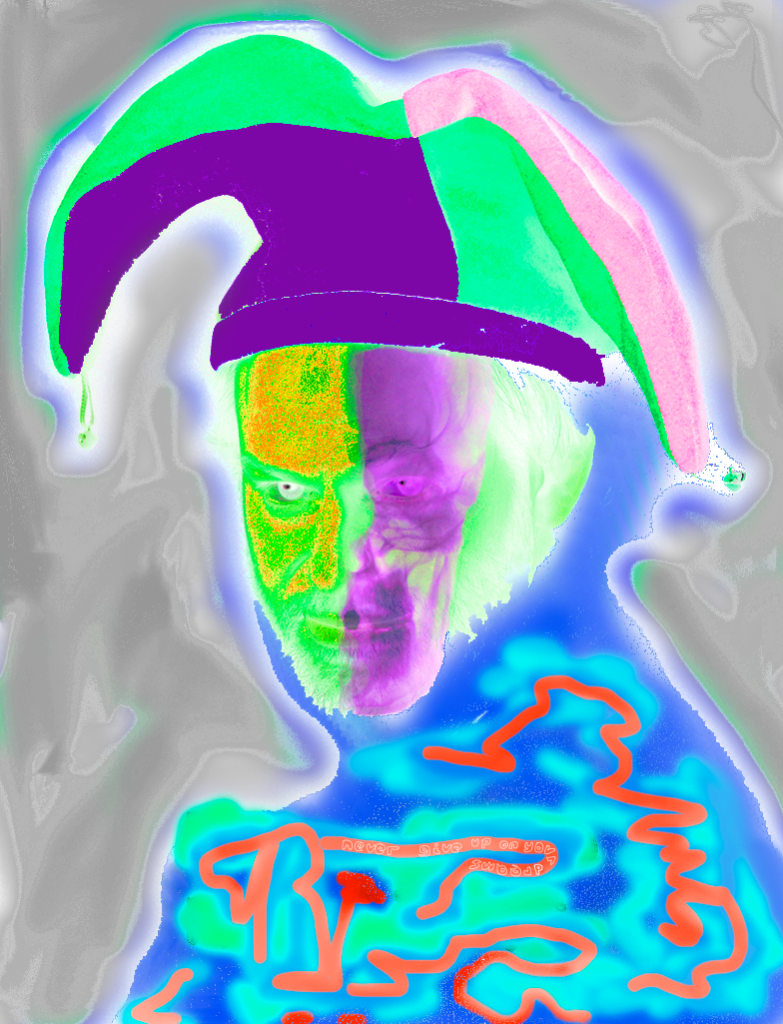
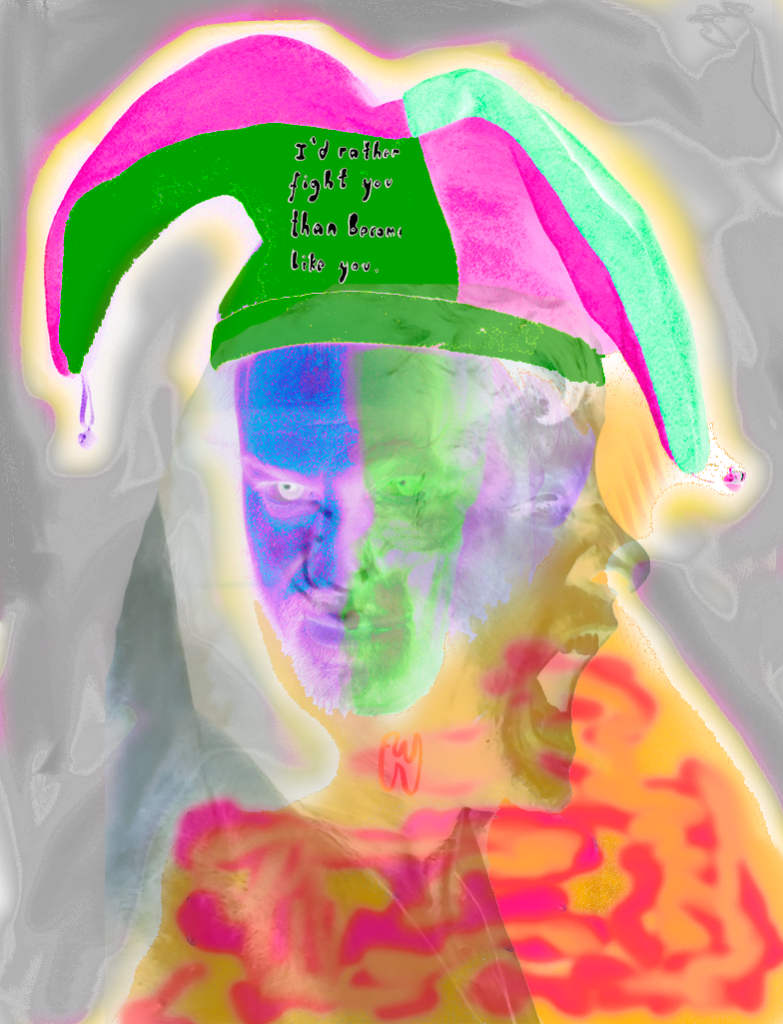
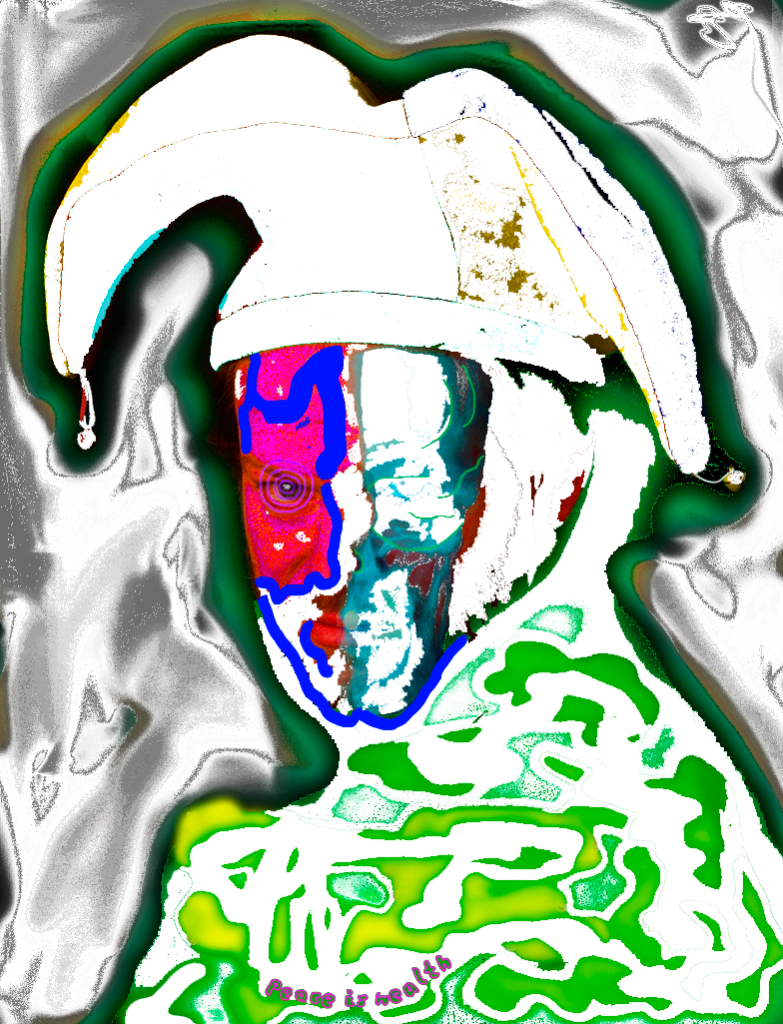
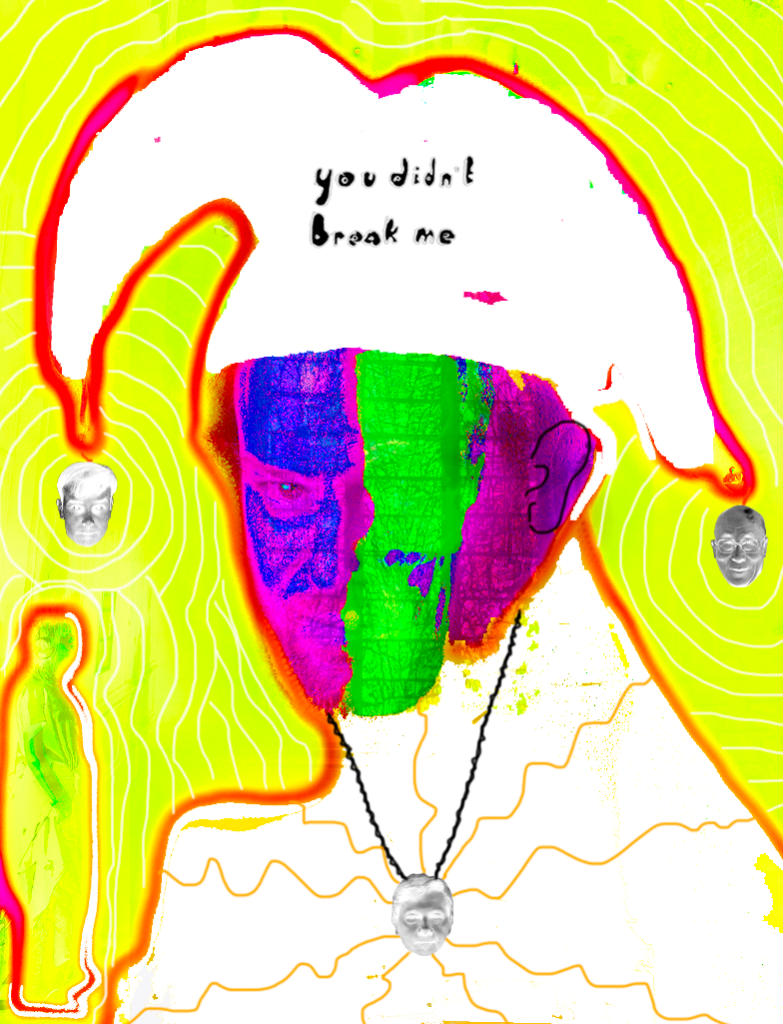
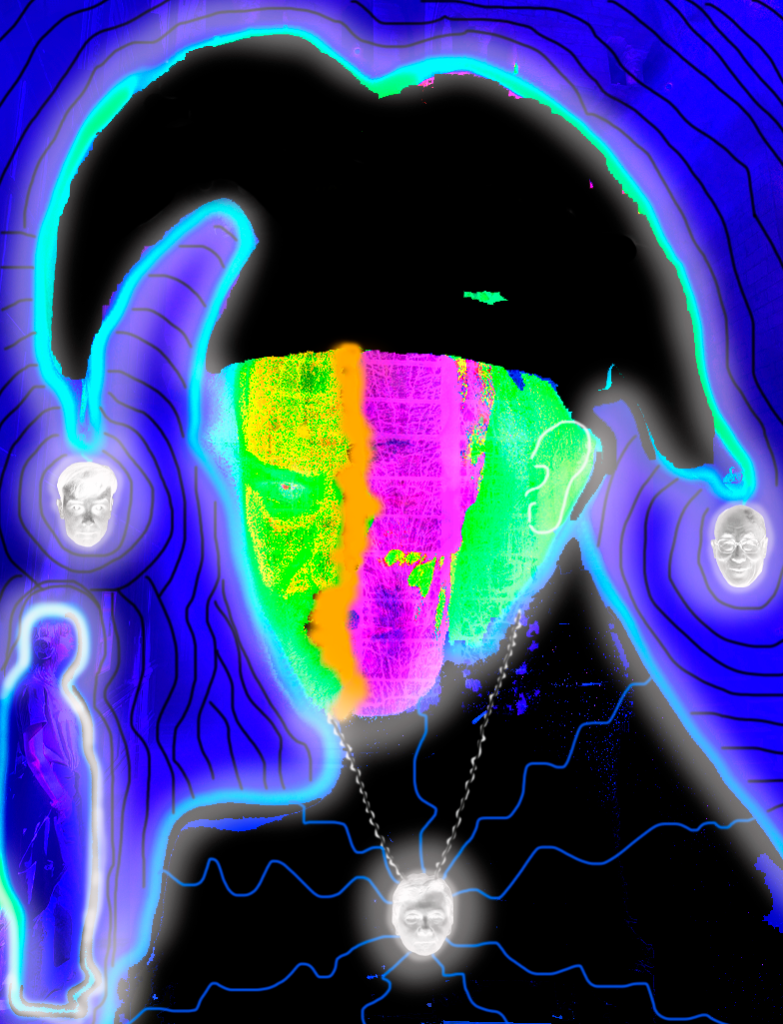
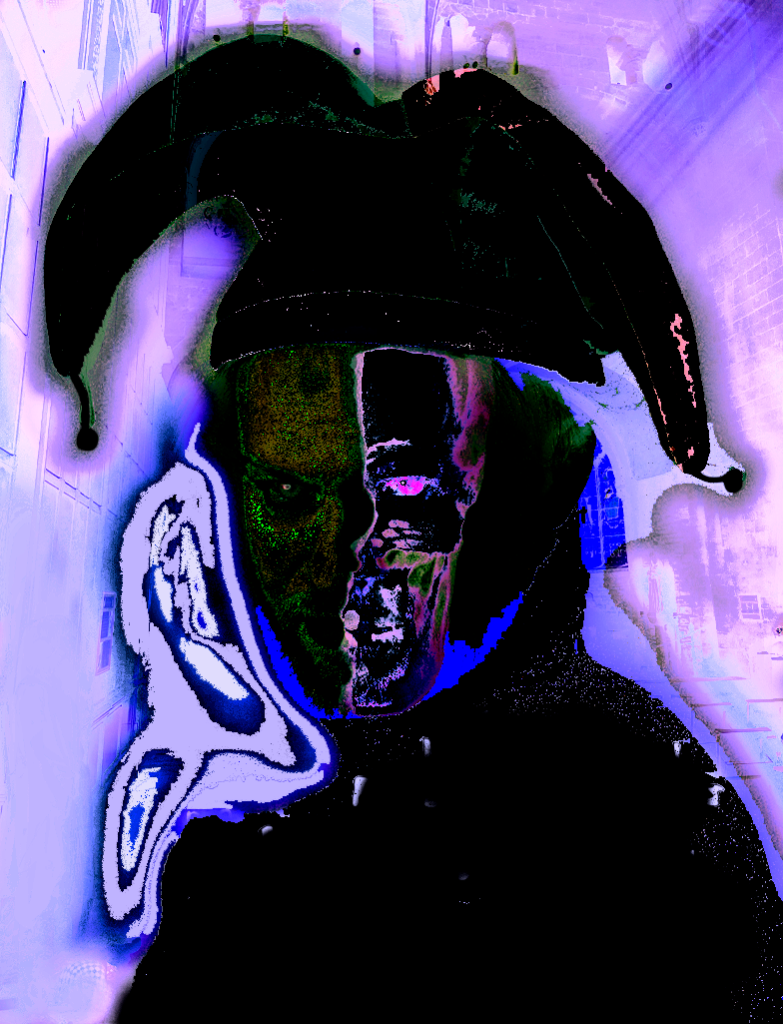
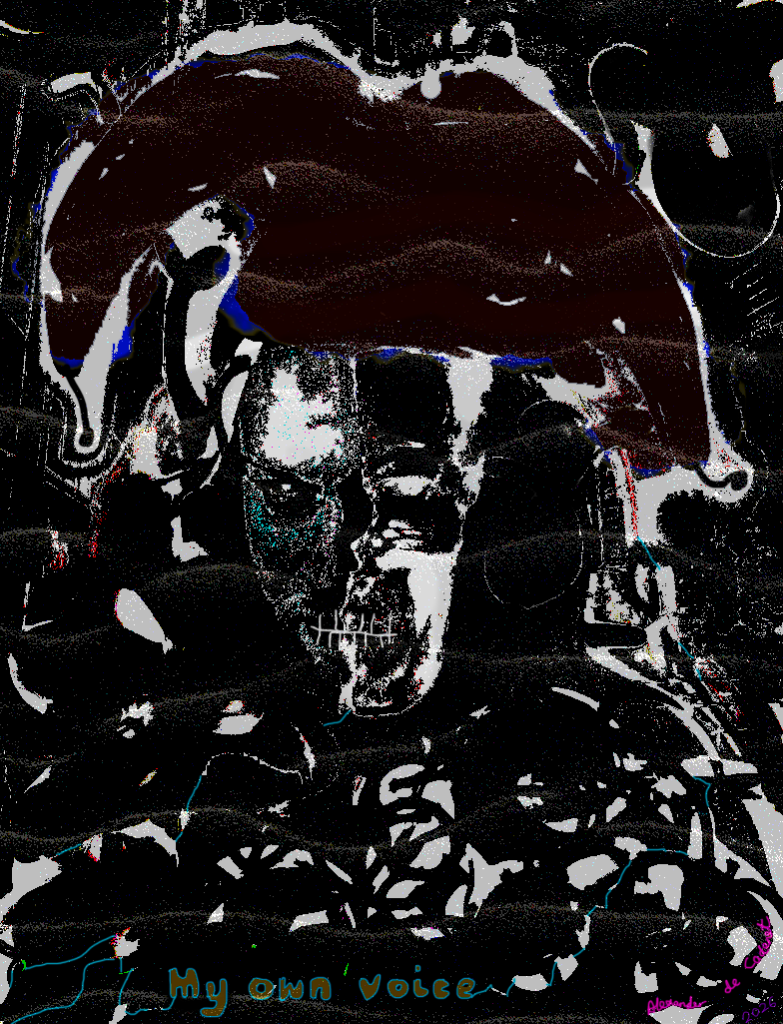
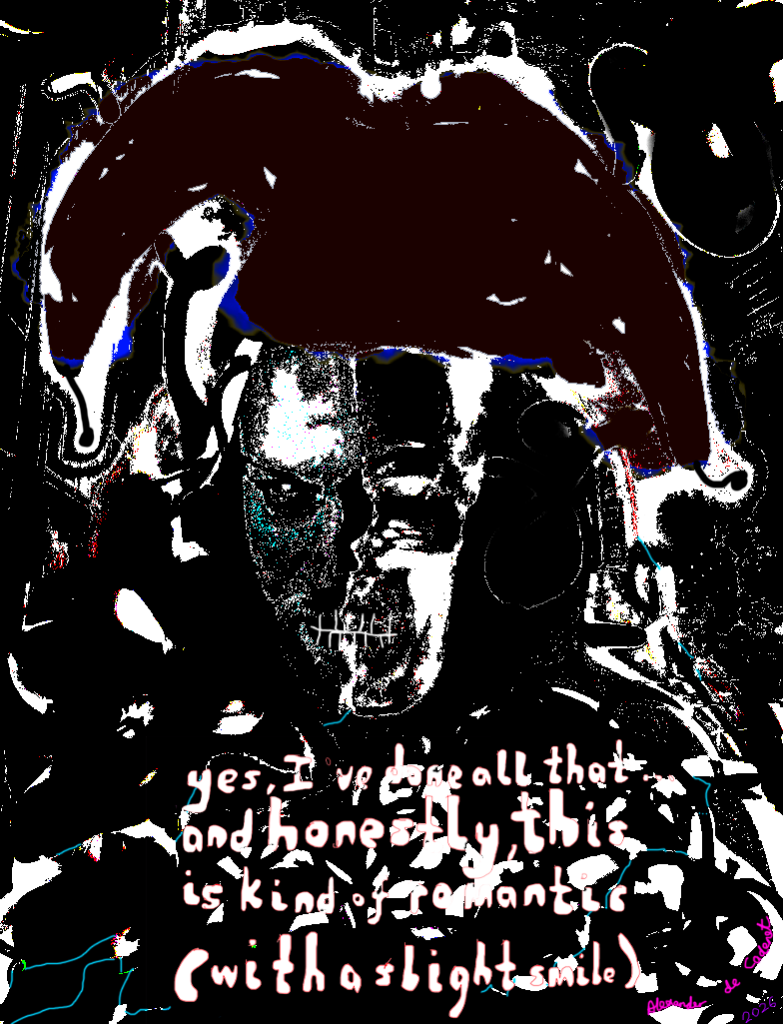
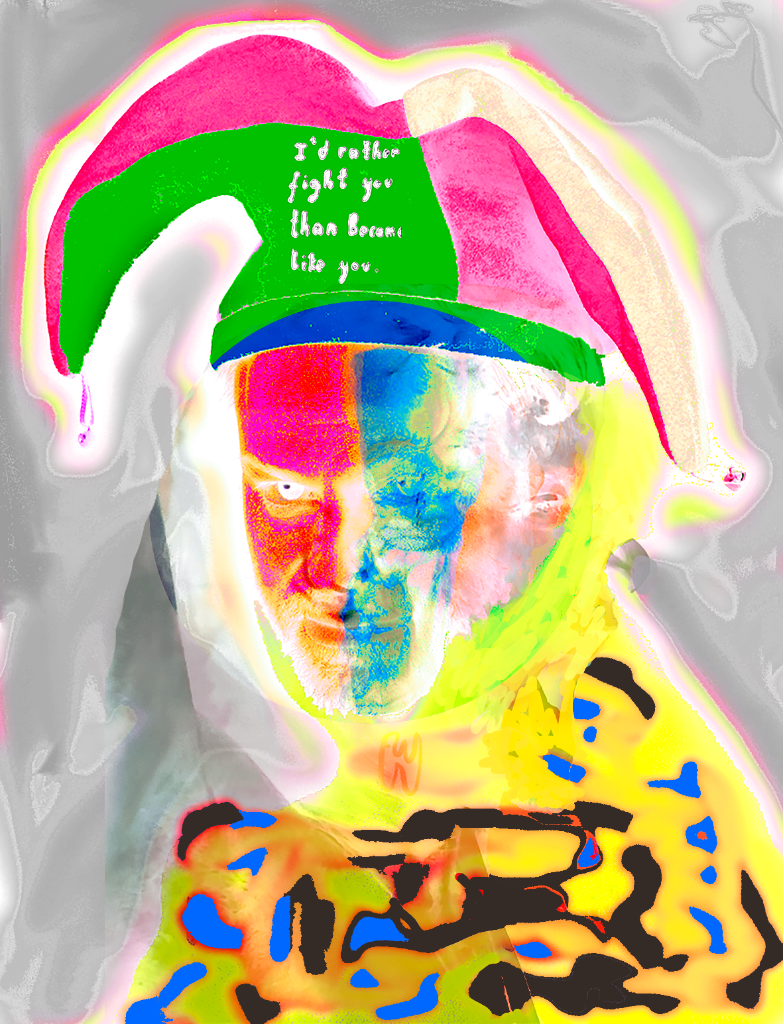
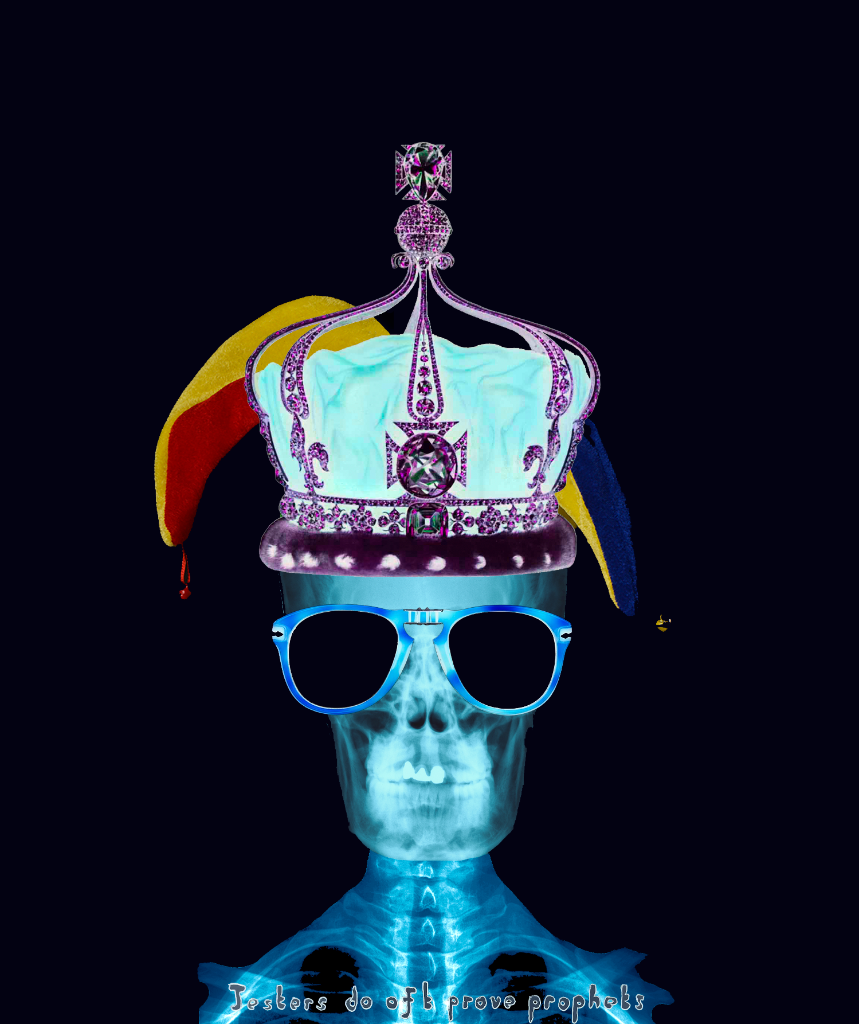
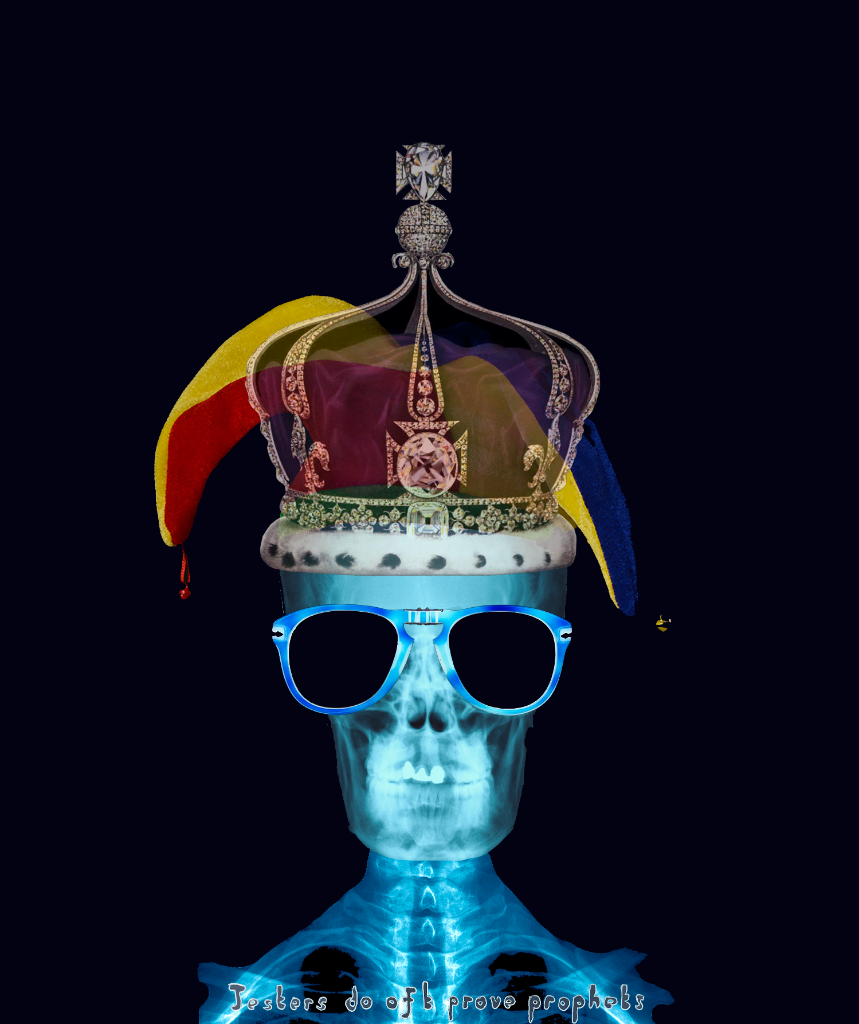
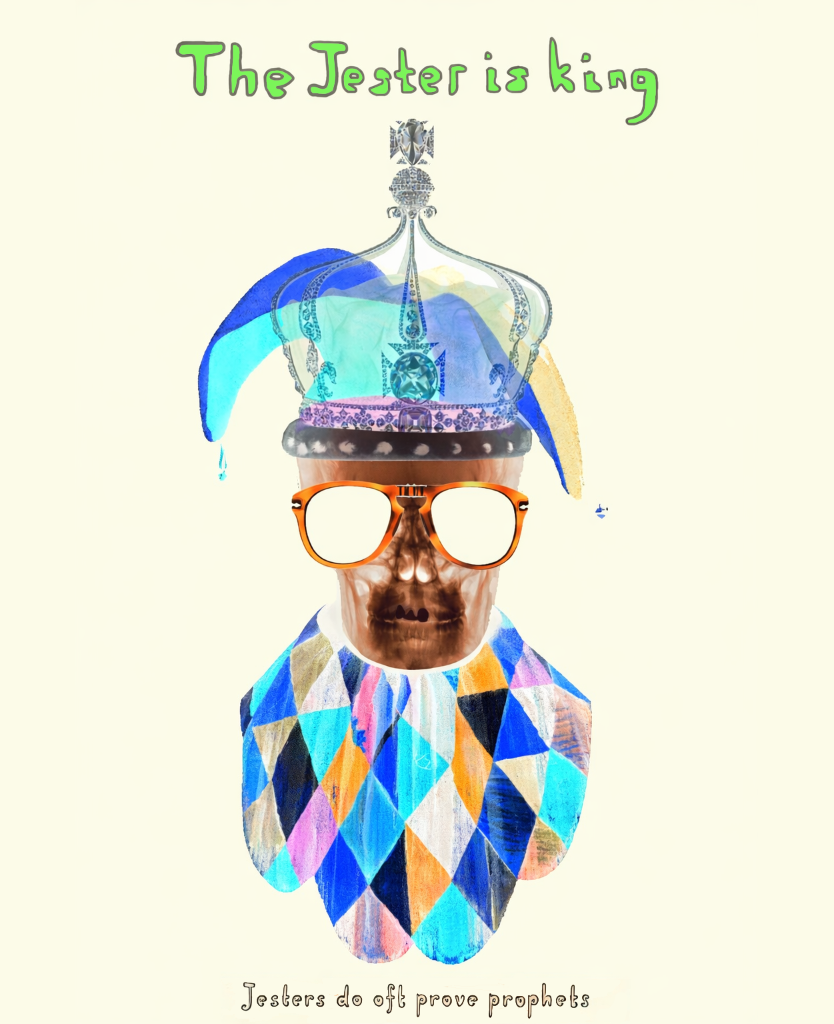
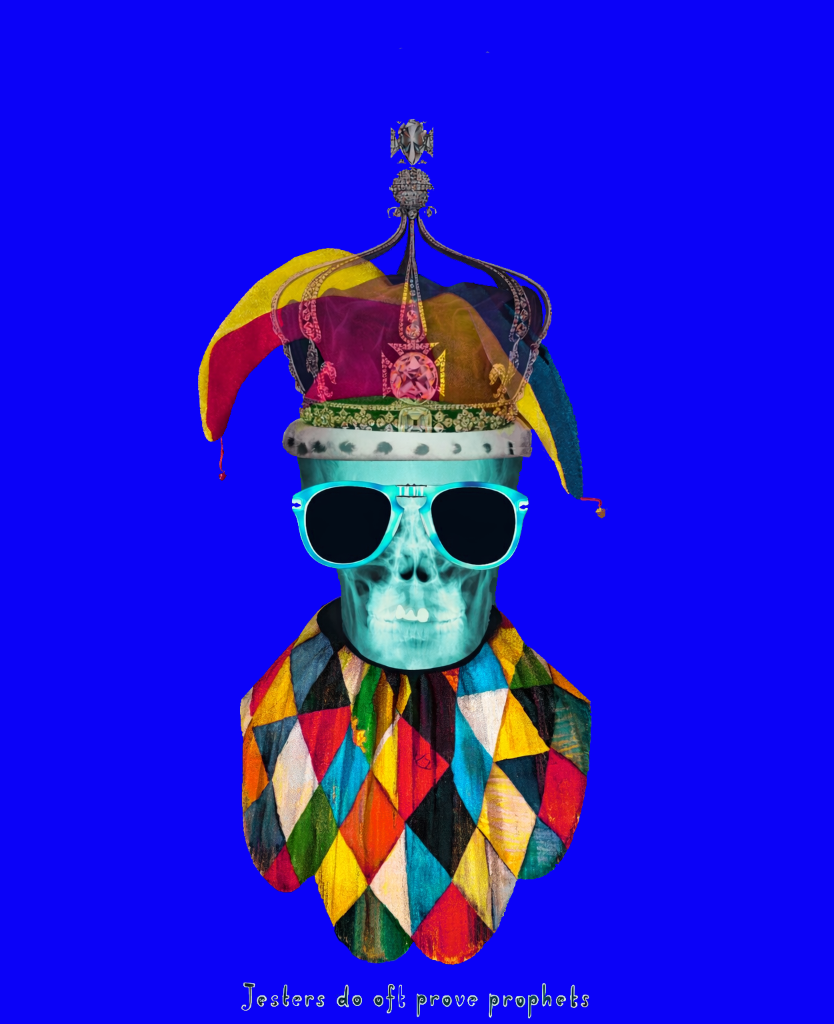
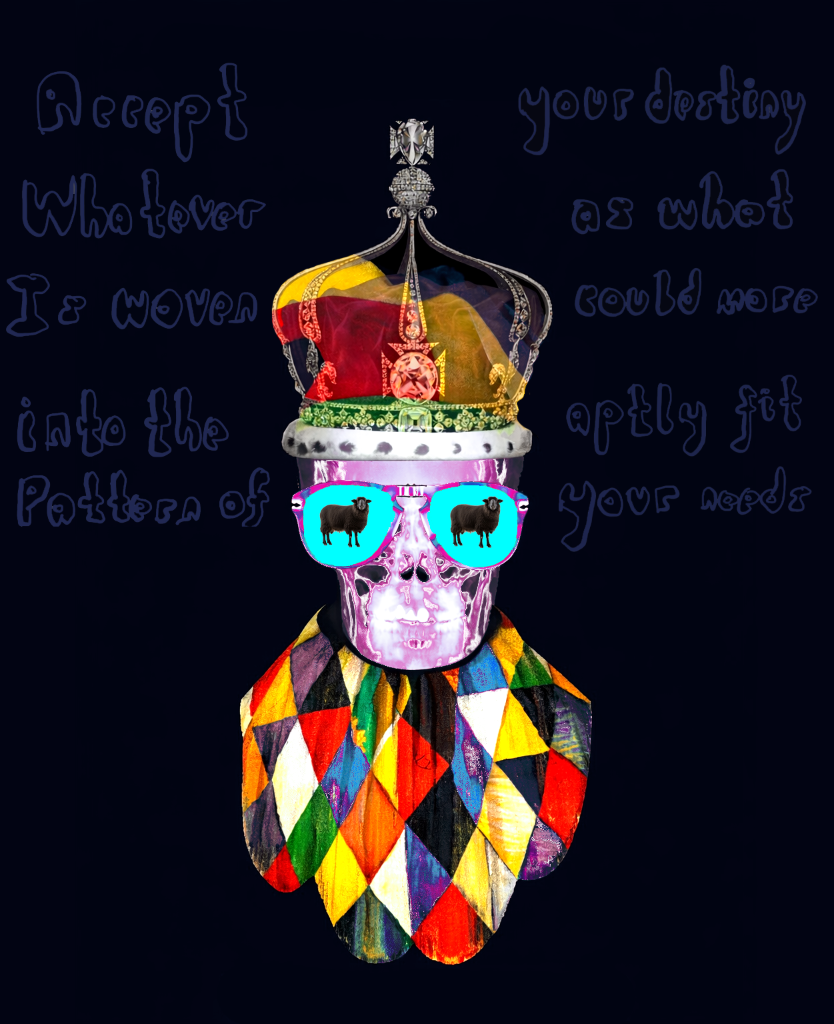
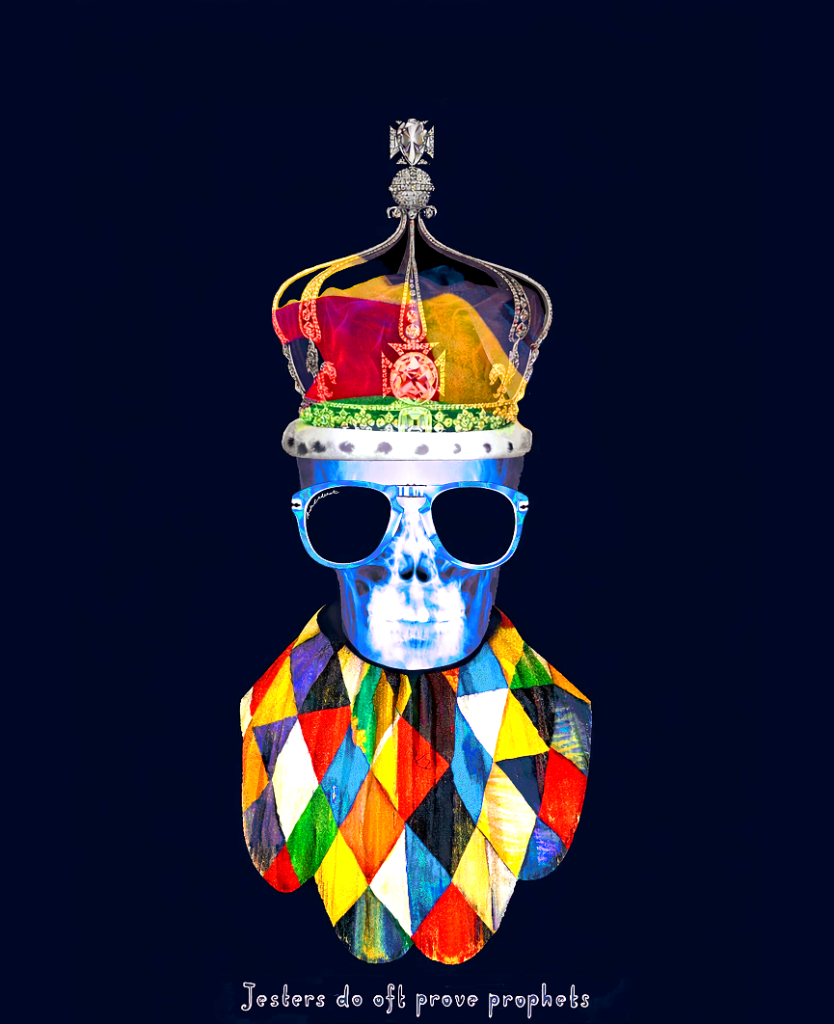
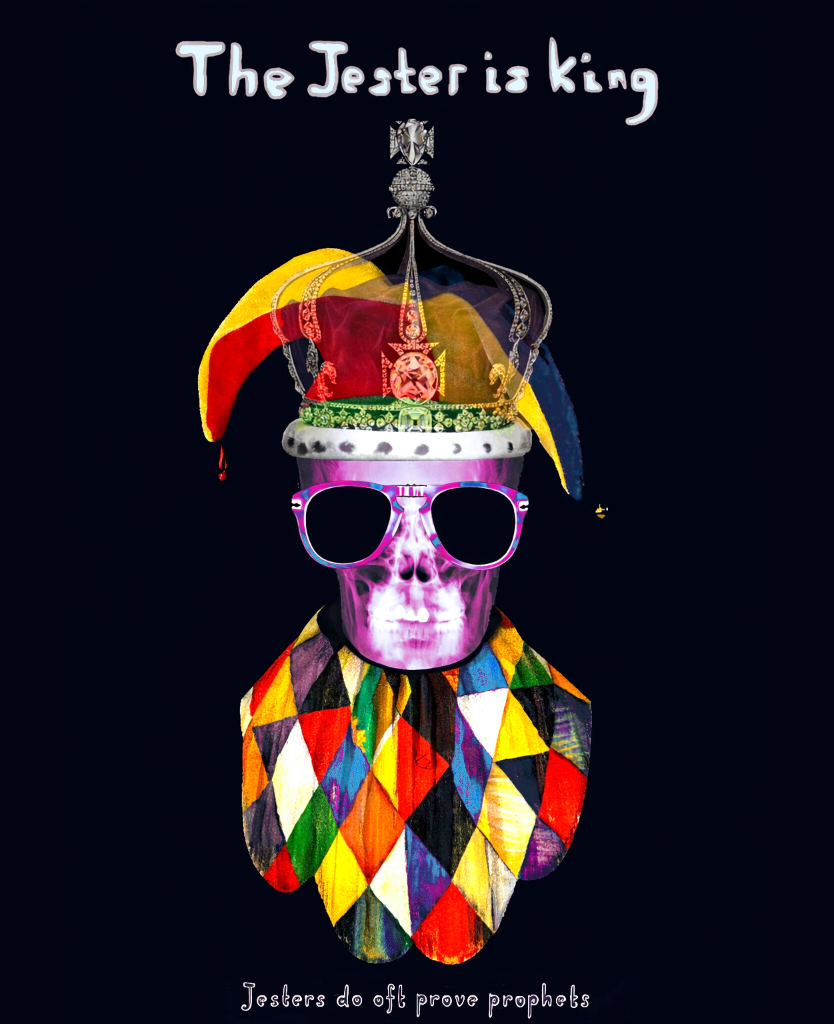
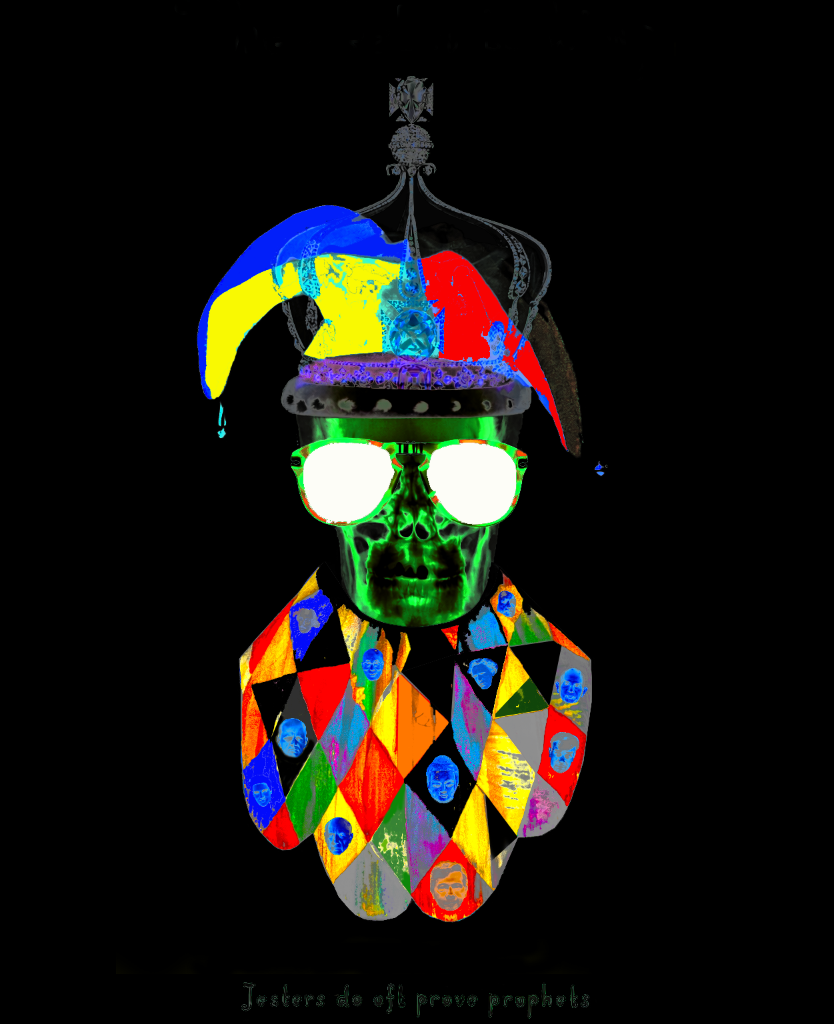
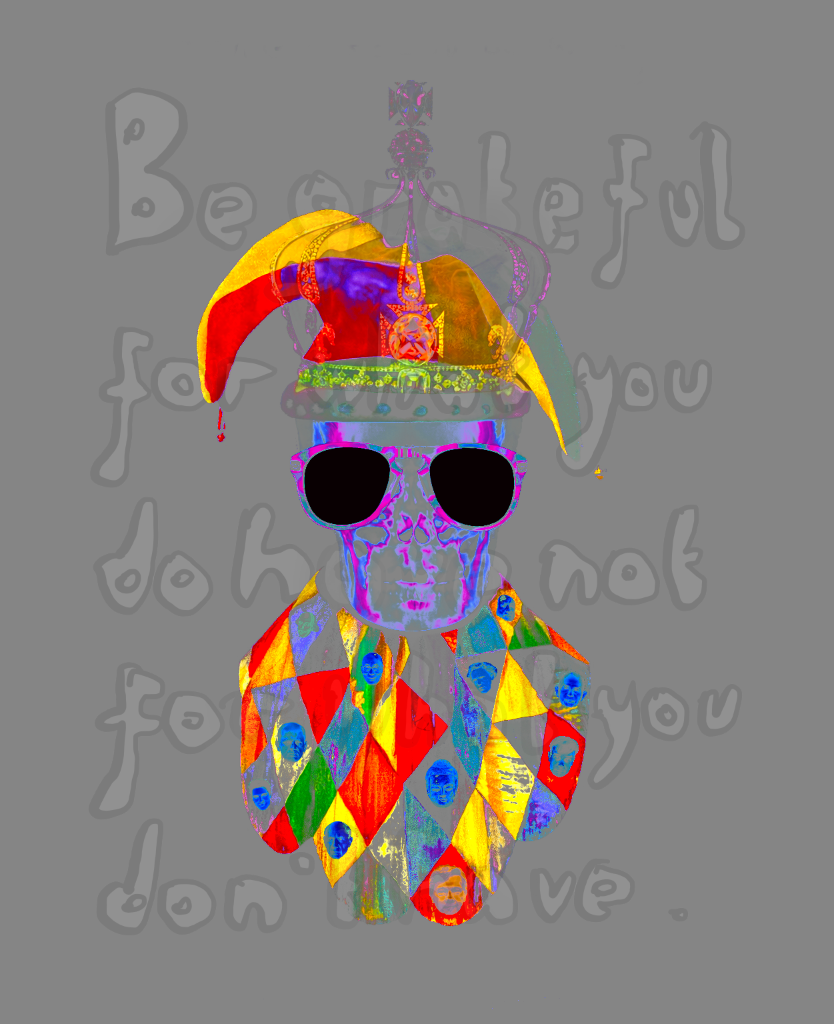
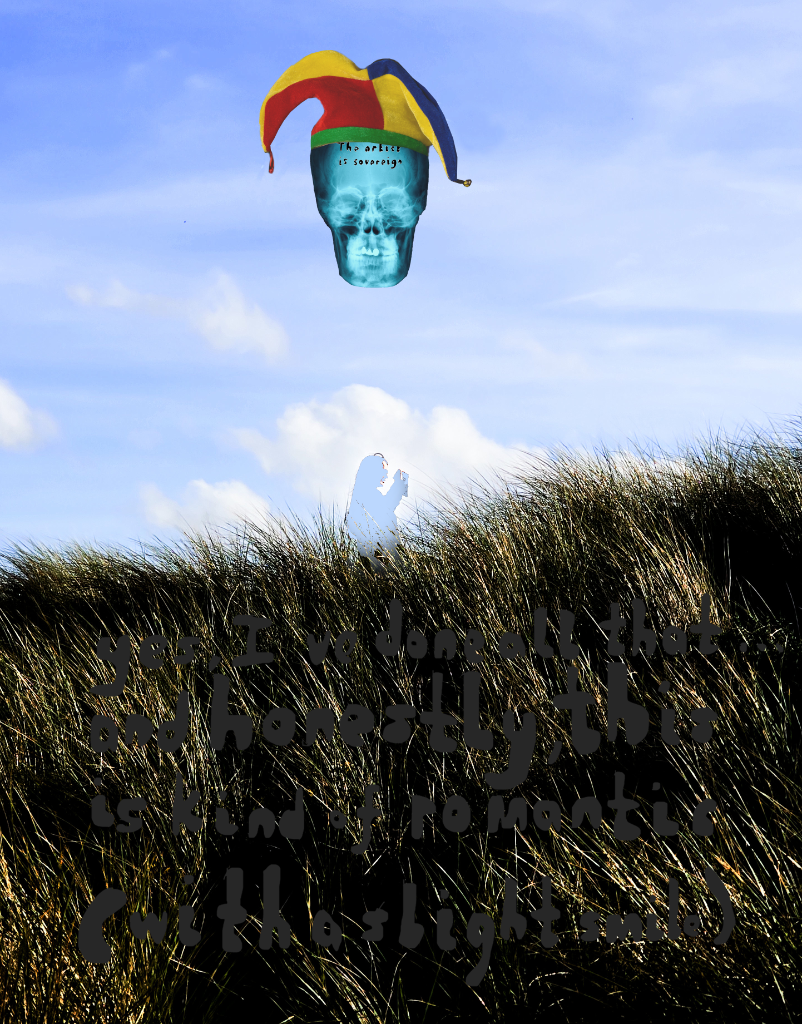
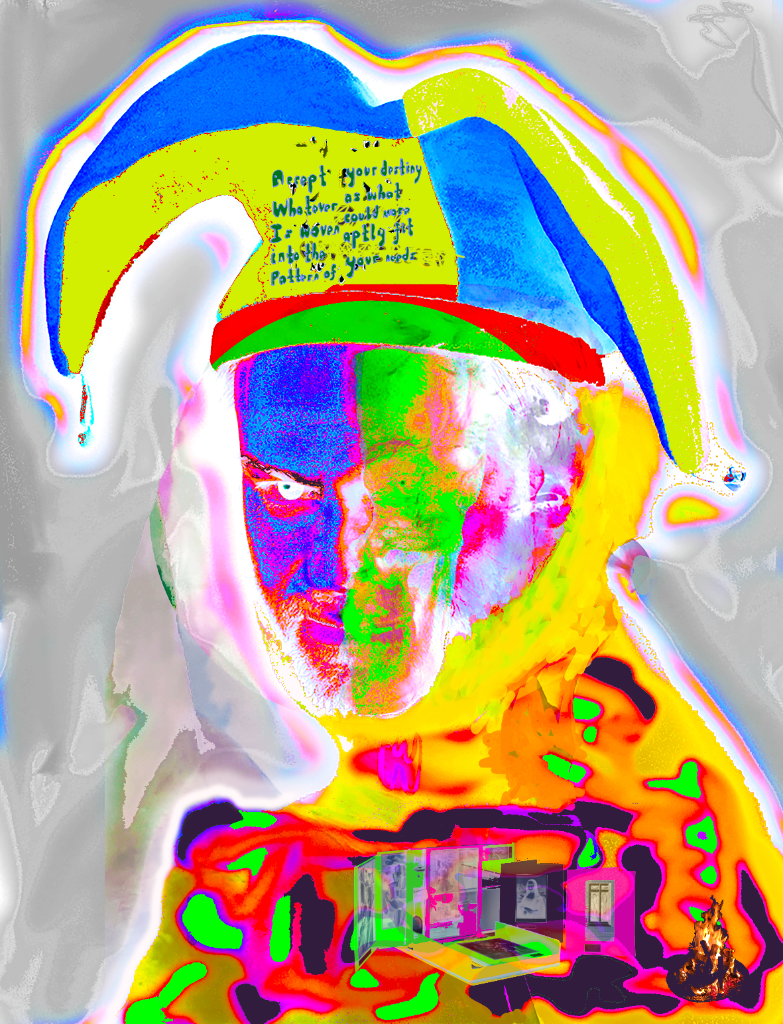
The Jester is the sacred fool, akin to the Tarot's Fool − dancing on the edge of convention, speaking profound truths veiled in humour. With a skull's empty grin beneath his mask, she/he reminds us of mortality's absurdity and life's fleeting joys. In myth and folklore, the Jester wields humour as a weapon, defying authority through satire. They are a spiritual figure, a reminder of life's impermanence and the wisdom found in folly. Their role is a paradox: both marginalised and powerful, a conduit for truth who sees beyond the superficial. The Jester invites us to laugh at life's vanity and to consider that laughter itself is a kind of transcendence, a brief reprieve from life's inevitable end, literally 'laughing in the face of death'. The Jester is a frequent trope in British cultural life, a recuring presence in Shakespeare's plays, particularly through the line, 'Jesters do oft prove prophets.' (King Lear, 1605) In medieval times, the Jester was immune from punishment and had licence to make fun of and satirise the King and Queen with his jests, humbling the ultimate power of the land by holding up a moral mirror to them.